Last updated November 23, 2026
 Raised-panel steel
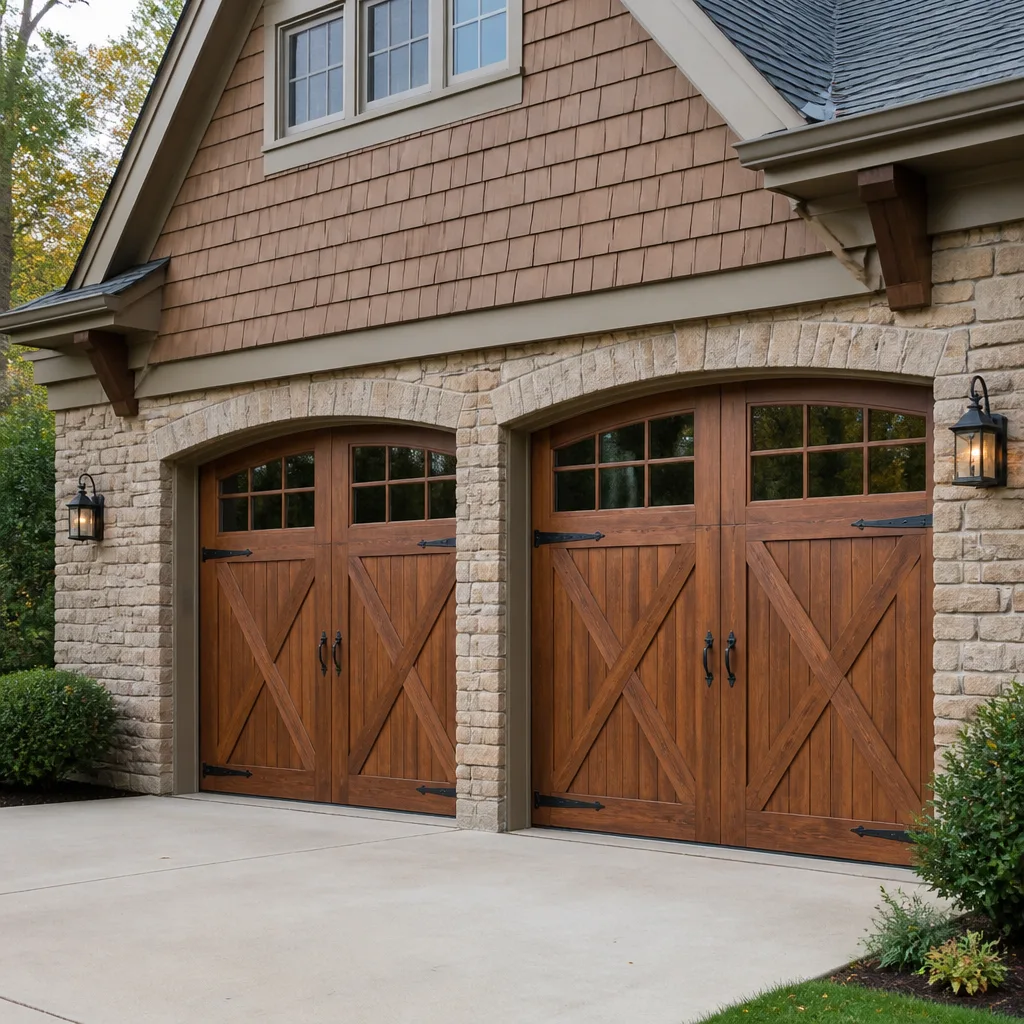 Carriage house
 Modern flush
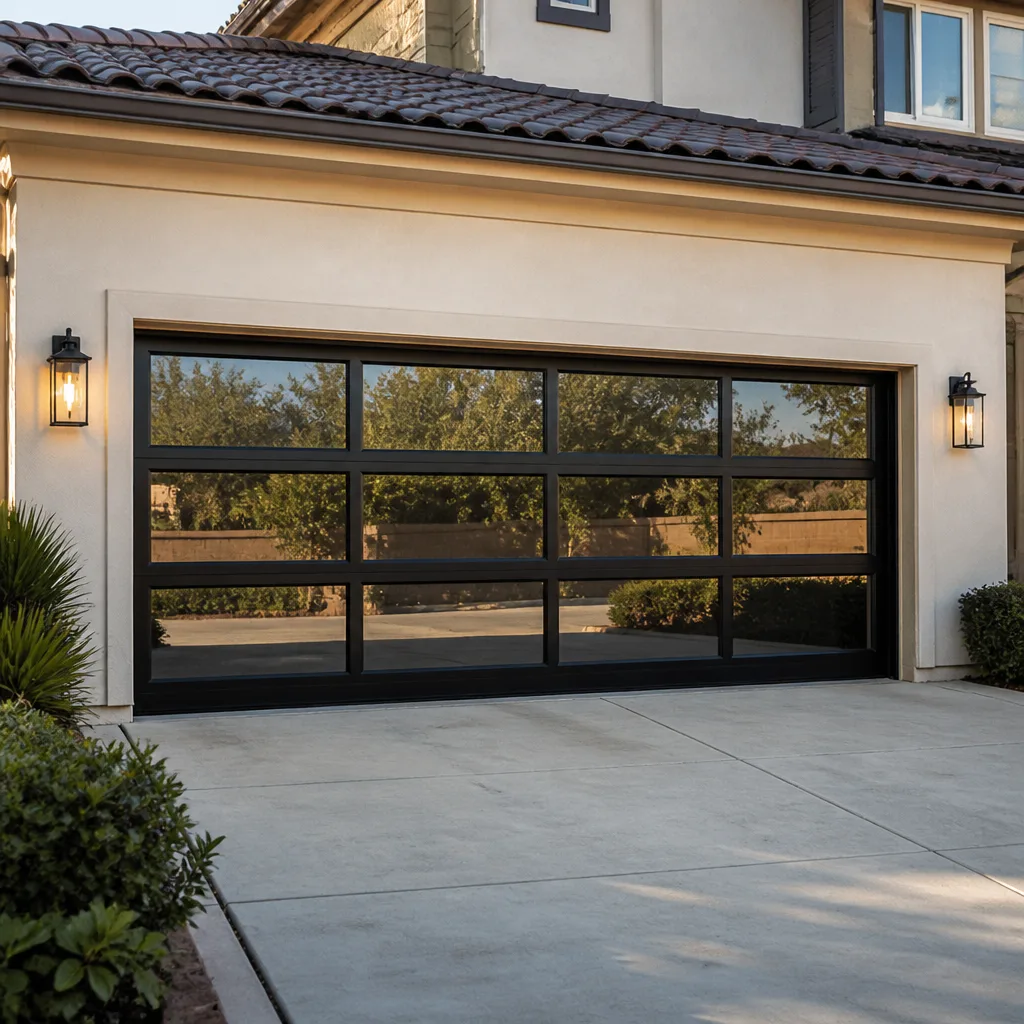 Full-view glass
 LiftMaster openers
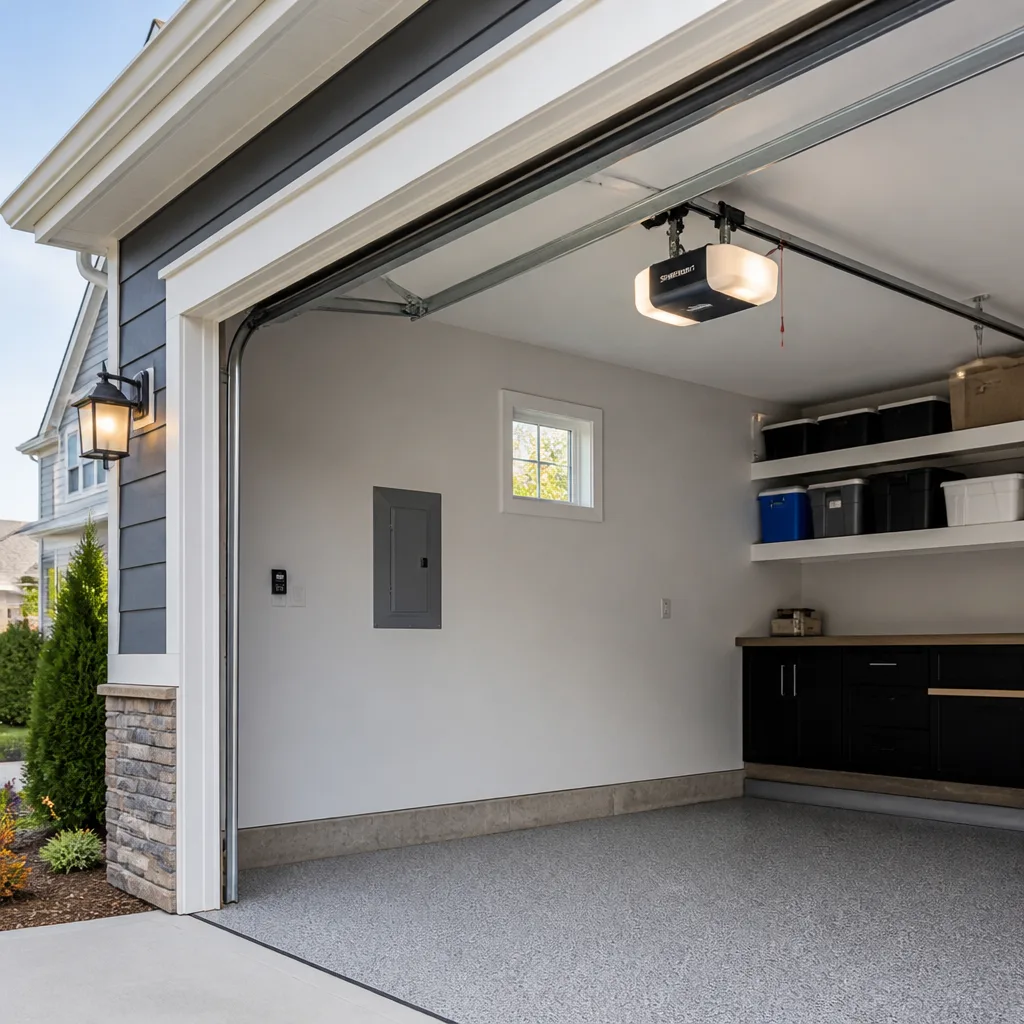 Chamberlain openers
Full 25-point door and opener safety check with every visit - springs, cables, rollers, tracks, and your LiftMaster or Chamberlain opener included
You get a price before we start. It does not change when the pro arrives.
Get your free estimateHow to Hire a Garage Door Contractor in North Ward: A Step-by-Step Guide
New Jersey has no dedicated license category for garage door contractors. That single fact changes how you should shop for one. Any handyman with a truck can legally hand you a quote for a torsion spring job, and nothing on paper proves they know a torsion spring from an extension spring. Most homeowners never learn the difference until something goes wrong. This guide gives you the four questions that separate a genuine garage door specialist from a generalist, shows you how to verify a contractor’s New Jersey registration in about a minute, and explains how to read an estimate so the price you agree to is the price you pay. By the end, you’ll know exactly what to ask before anyone sets foot on your North Ward property.
Styles & brands we work with
- Raised-panel steel
- Carriage house
- Modern flush
- Full-view glass
- LiftMaster openers
- Chamberlain openers
Quick Answer
To hire a garage door contractor in North Ward, verify the contractor’s New Jersey Home Improvement Contractor (HIC) registration first, then ask four diagnostic questions before booking: which brands they’re certified to work on, whether they replace springs singly or as a matched pair, what their labor warranty covers versus the parts warranty, and whether they offer emergency service. A real specialist answers all four without hesitation and itemizes the written estimate so labor, parts, and disposal appear on separate lines.
Table of Contents
- Why New Jersey Has No Garage Door License (And What to Check Instead)
- How to Verify a Contractor’s HIC Registration in 60 Seconds
- The Four Questions That Separate a Specialist From a Generalist
- Why “Multi-Brand Certified” Beats “Years in Business” for This Niche
- Red Flags Specific to the Garage Door Trade
- How to Read a Written Estimate Line by Line
- Why Spring Work Is the Line You Should Never Let a Generalist Cross
- What North Ward Homeowners Should Know About Their Own Doors
Why New Jersey Has No Garage Door License (And What to Check Instead)
New Jersey regulates electricians, plumbers, and HVAC contractors through dedicated trade licenses. Garage door work does not have its own license class. That gap is why the HIC registration matters so much. The New Jersey Division of Consumer Affairs requires home improvement contractors who take on residential work above a certain dollar threshold to register with the state, carry proof of insurance, and give you a written contract. Registration isn’t a skill test; it’s an accountability net. If a contractor isn’t registered, you have far less leverage if the work goes wrong.
What the registration does prove: the contractor has a real business identity, has provided the state with insurance documentation, and can be reported to the Division of Consumer Affairs if they behave badly. That’s not nothing. It’s a paper trail.
What it doesn’t prove: that the person knows garage doors. A registered general contractor may have never touched a torsion spring in their life. Which is why registration is step one, not the whole checklist.
In North Ward, where many homes were built mid-century and carry original or first-replacement doors, the gap between a registered generalist and a registered specialist matters. The door on a 1950s North Ward colonial often has hardware that no longer matches what’s sold at a big-box store. A specialist knows how to source it or how to tell you honestly that a full replacement is the better call. A generalist guesses.
So the real checklist looks like this:
- Registration: verified through the state Division of Consumer Affairs lookup.
- Insurance: general liability and workers’ comp, confirmed in writing.
- Specialization: garage doors as the primary trade, not a sideline.
- Brand knowledge: certified across the major door and opener manufacturers.
- Written estimate: itemized, signed, with a clear price before work begins.
How to Verify a Contractor’s HIC Registration in 60 Seconds
New Jersey makes this easier than most homeowners realize. The Division of Consumer Affairs runs a free public database of registered home improvement contractors. You can look up any company name and see whether their registration is active, expired, or never existed. Here’s the process, step by step.
- Ask for the registration number. Any legitimate New Jersey home improvement contractor has one and will hand it over without hesitation. If they deflect or say “we’re licensed with the state” without a number, that’s your answer.
- Pull up the state lookup. Search the Division of Consumer Affairs database by business name or registration number.
- Confirm the status reads active. An expired registration is a red flag even if the company is real. It may mean they let the paperwork lapse, which often hints at how the rest of the business is run.
- Cross-check the business name. The name on the registration should match the name on your written estimate. “Trade names” and parent companies can diverge, and you want to know who you’re actually contracting with.
- Ask for a certificate of insurance. Registration requires insurance, but you still want a current certificate sent directly from the insurer or agent, not forwarded to you secondhand.
One minute. Five steps. And you’ll have filtered out half the field before you even pick up the phone.
We’re often asked whether this verification is really necessary for a “small” job like a single-spring replacement. It is. The spring is the most dangerous component on the door, and if the contractor gets hurt on your property without workers’ comp, you’re exposed. That one-minute check is your best protection. For a closer look at the specialized work registration should cover, see our page on garage door repair.
The Four Questions That Separate a Specialist From a Generalist
This is the heart of hiring well. These four questions aren’t a quiz to catch anyone out – they’re diagnostic. A specialist answers each one immediately and specifically. A generalist circles, hedges, or promises everything.
Question 1: Which brands are you certified to work on?
Garage doors and openers aren’t plug-and-play. A LiftMaster logic board, a Genie drive system, and a Craftsman rail assembly each behave differently, and the diagnostic path for a “door won’t open” complaint shifts depending on which one you’re looking at. A contractor who names specific brands – LiftMaster, Chamberlain, Genie, Clopay, Amarr, Wayne Dalton, Craftsman, Raynor – is a specialist. A contractor who says “we handle all brands” is telling you they troubleshoot by trial and error.
Question 2: Are you replacing one spring or both?
Torsion springs are usually installed as a matched pair. When one breaks, the other is typically at or near the same wear point, which means it’s often days from failing too. The right question to grill a contractor on: does their standard practice replace both springs when one fails? A specialist will explain the reasoning and let you decide. A cut-rate quote that replaces one spring is often a quote you’ll be paying twice for. This is the single best tell in the garage door trade.
Question 3: What’s covered under warranty, and for how long?
Warranty is where a cheap quote hides its cost. Ask specifically:
- How long is the parts warranty? Manufacturer warranties on springs and openers vary widely.
- How long is the labor warranty? This is the one most contractors gloss over.
- If the same spring fails in a year, who pays? The answer should be clear and in writing.
A written labor warranty in the estimate is a strong signal. A verbal “we stand behind our work” is not.
Question 4: Do you offer emergency service, and how quickly can someone get out?
A stuck-closed door in a North Ward home can mean a car is trapped or the house is exposed. Emergency availability is a real service, not a marketing phrase. If a contractor offers emergency service, ask how quickly they can get someone out. A specialist answers with confidence because emergency response is a core offering. A generalist typically says “we’ll try to fit you in.”
Why “Multi-Brand Certified” Beats “Years in Business” for This Niche
Homeowners are trained to ask “how long have you been in business?” It’s a reasonable question. But in the garage door trade, it’s the wrong one to lead with. A twenty-year generalist who has done a thousand door repairs has done maybe a hundred with the specific brand on your house. A technician certified across the major brands has walked through the specific failures of your exact model hundreds of times.
That’s why we frame our own team’s experience around the brands we work on, not the calendar. Our technicians have up to 13 years of experience, and that experience is focused. We’re cert
See the difference
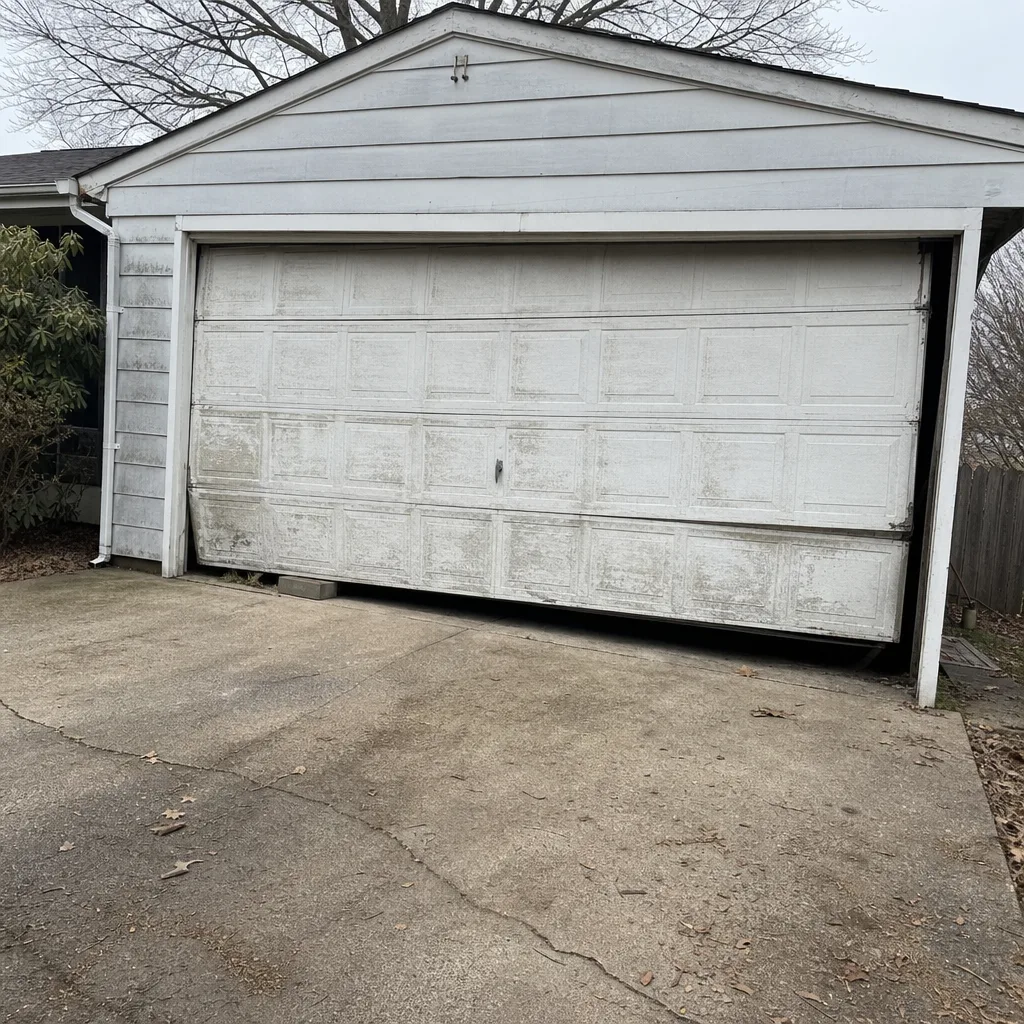 Before
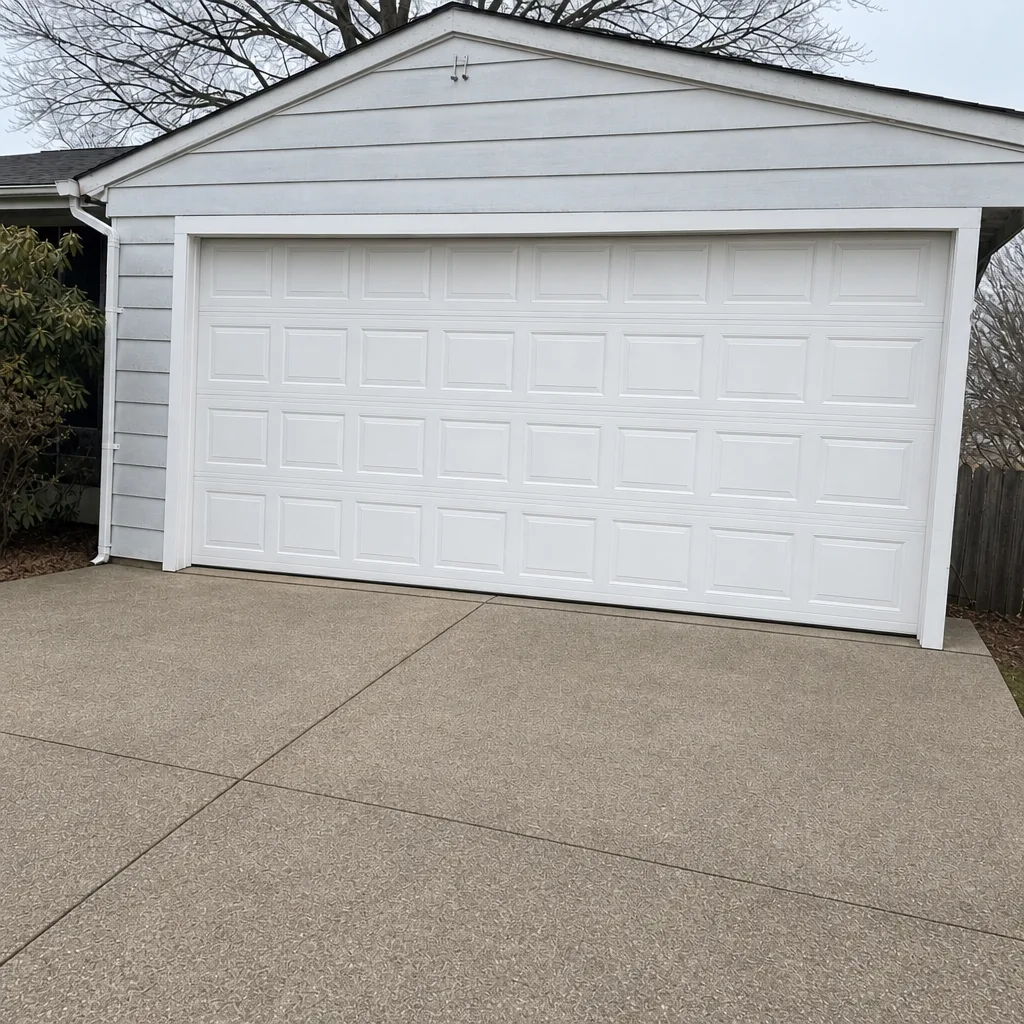 After
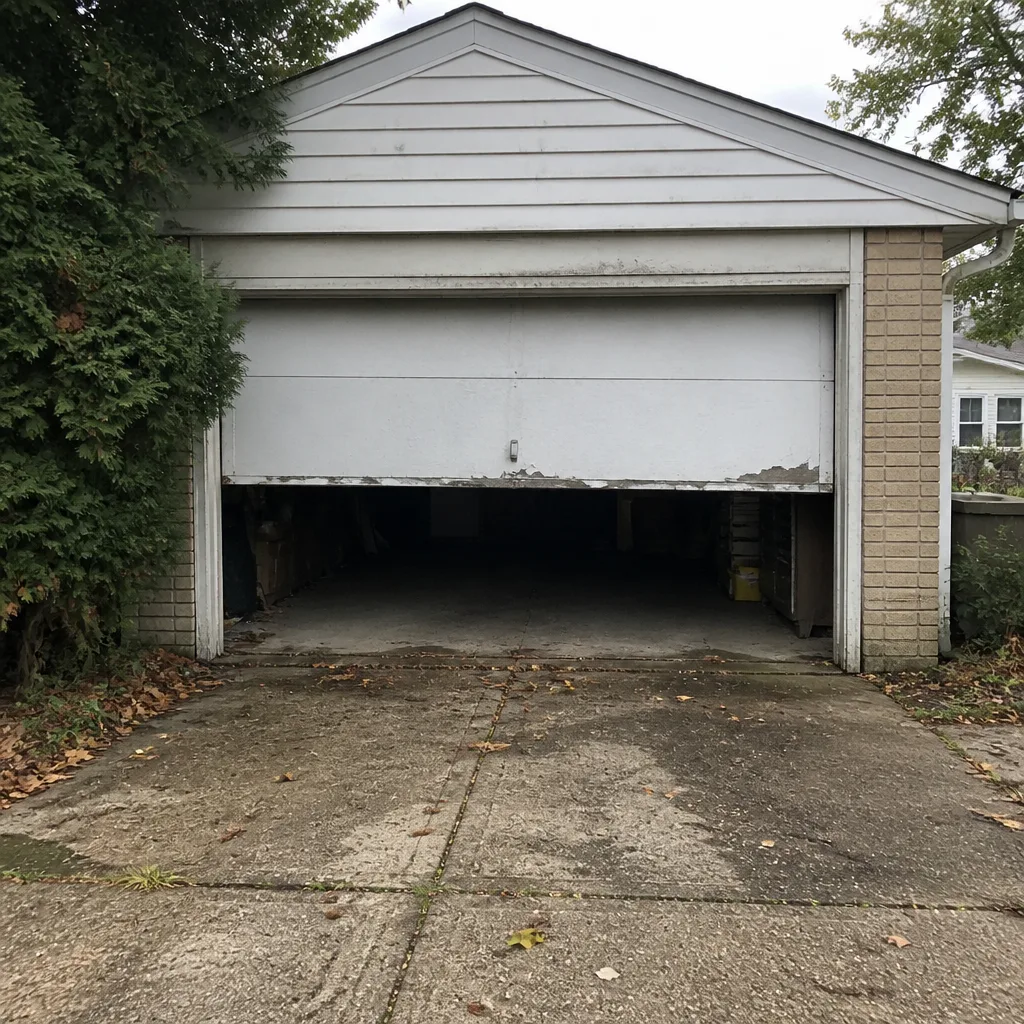 Before
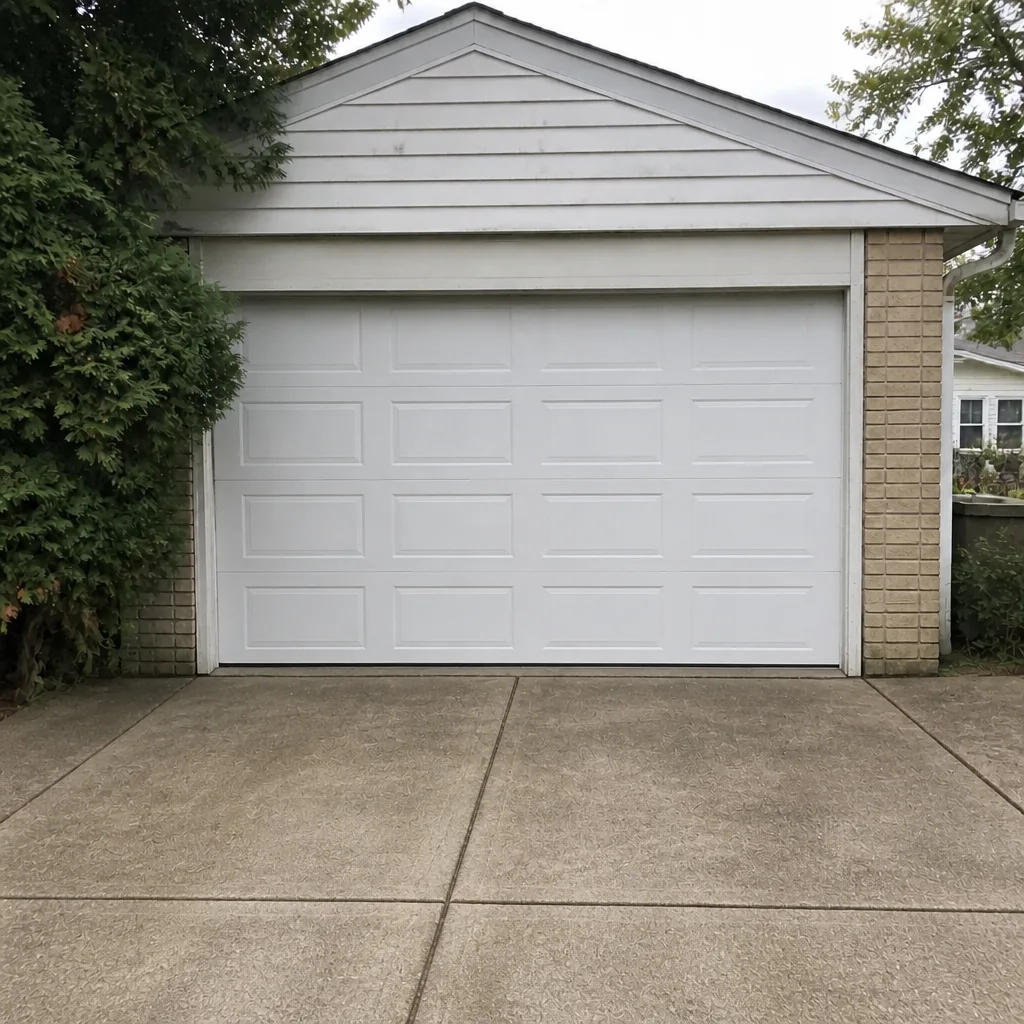 After
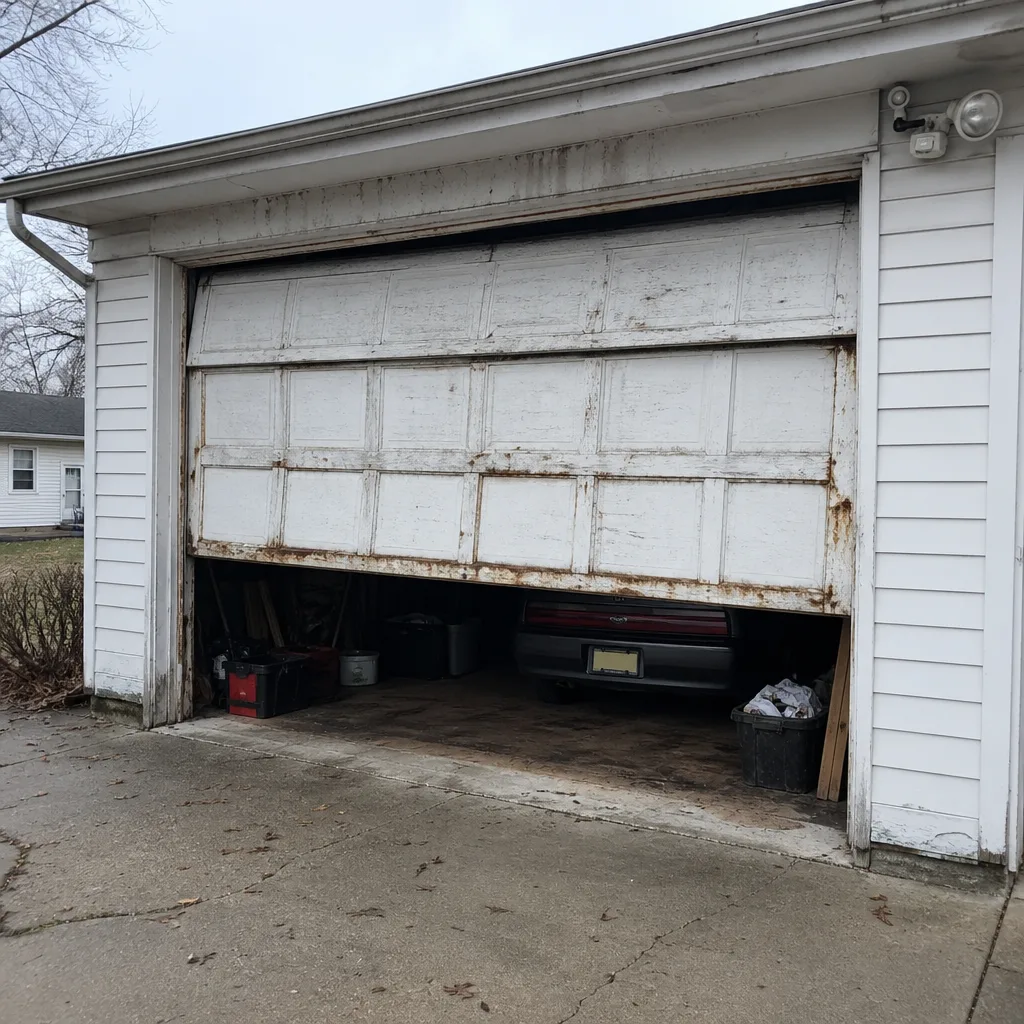 Before
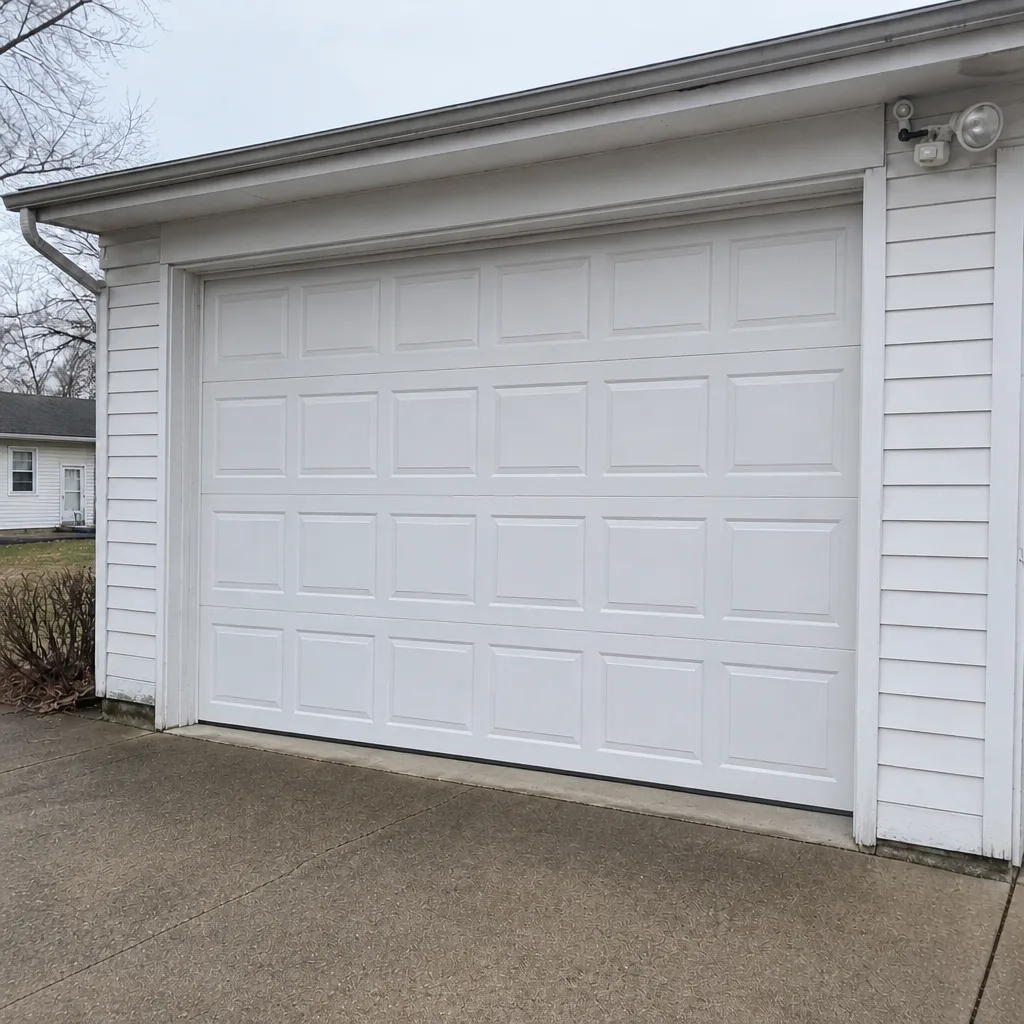 After