Last updated November 23, 2026
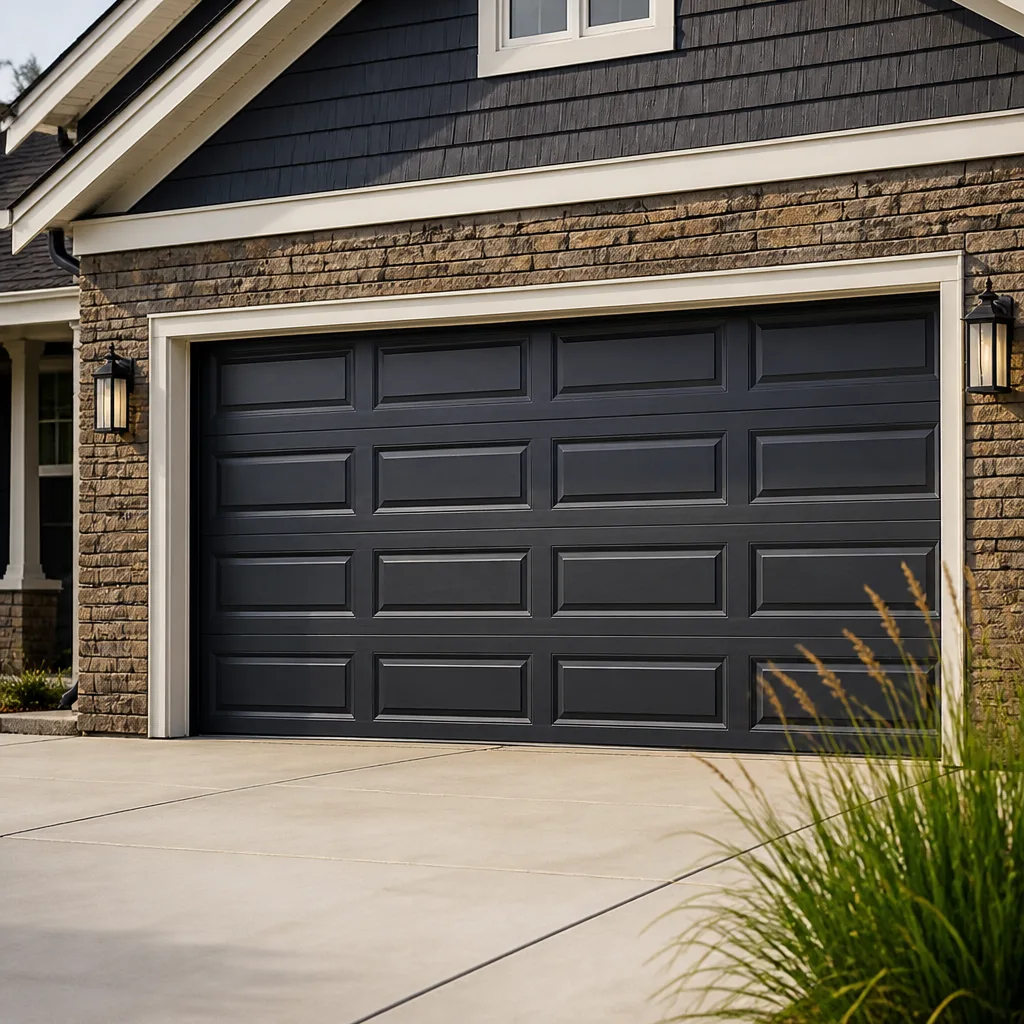 Raised-panel steel
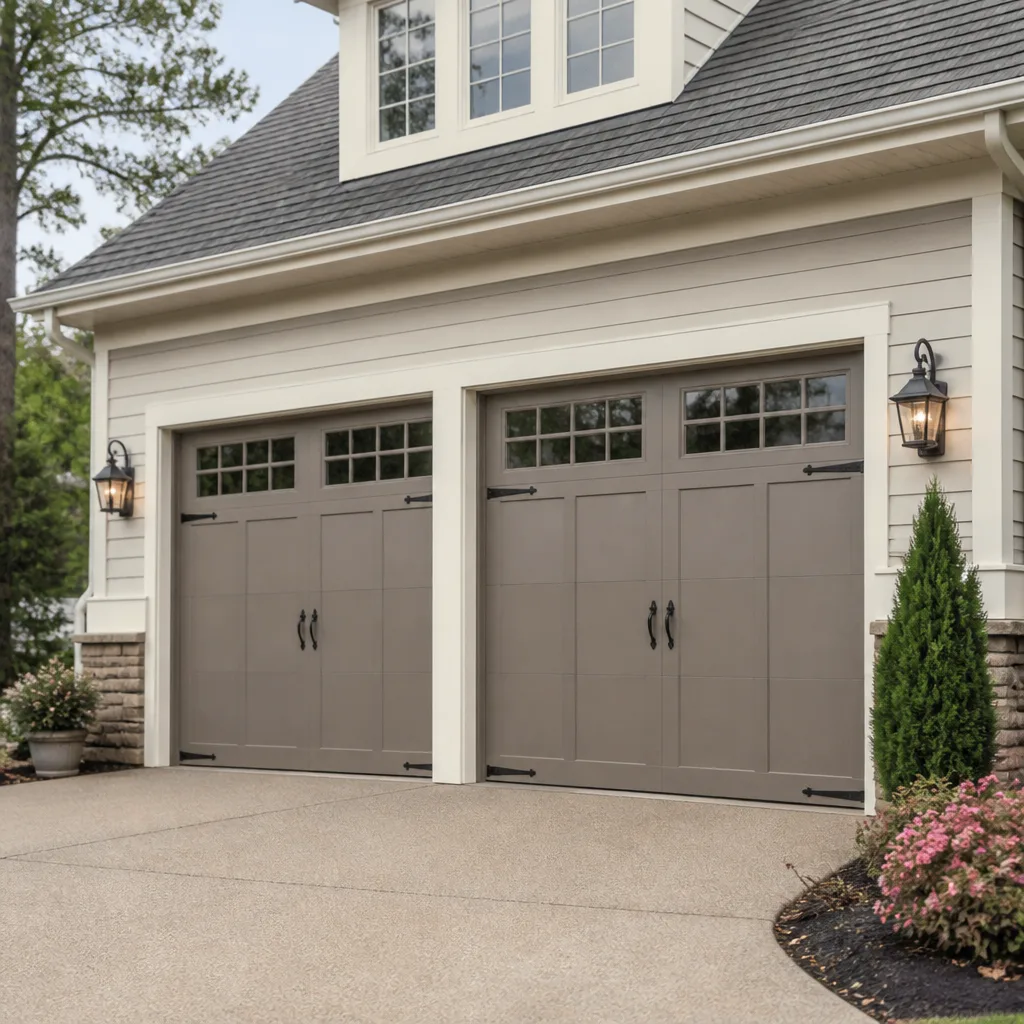
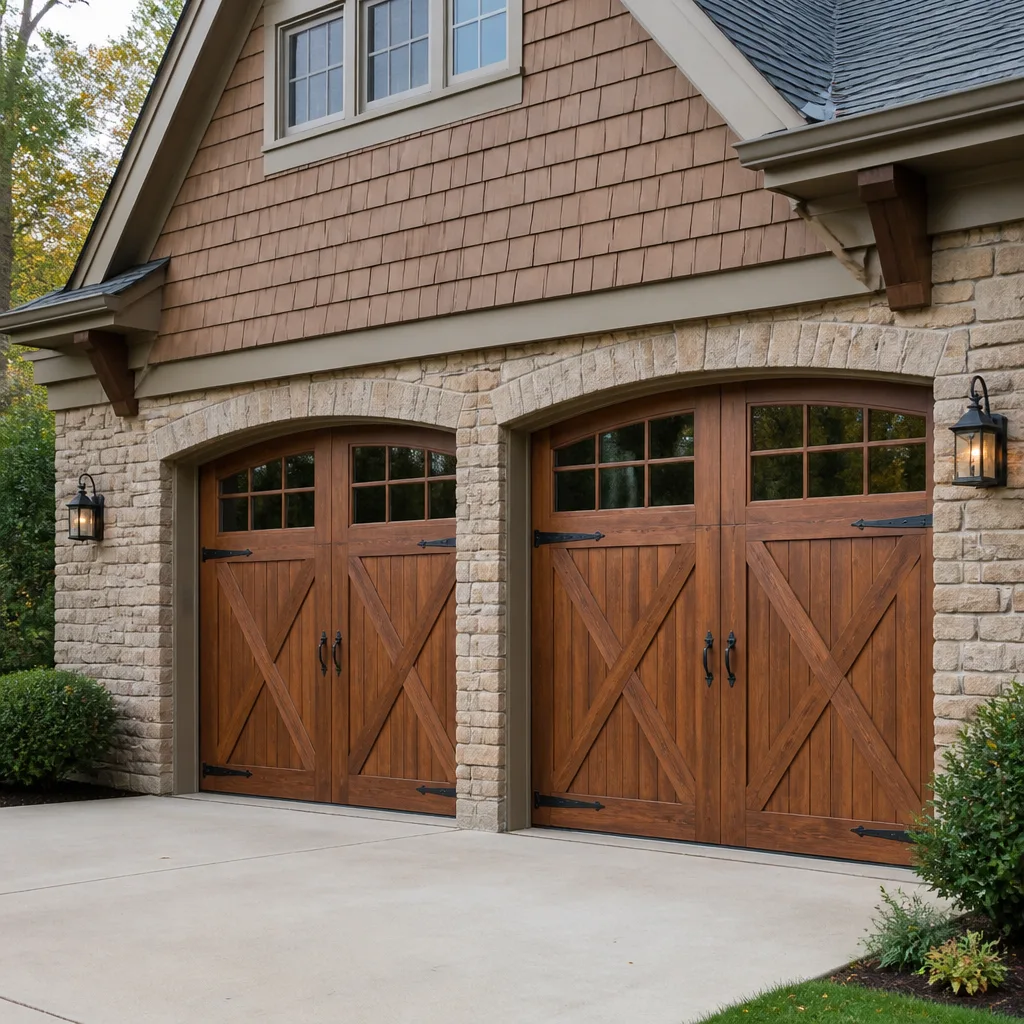 Carriage house
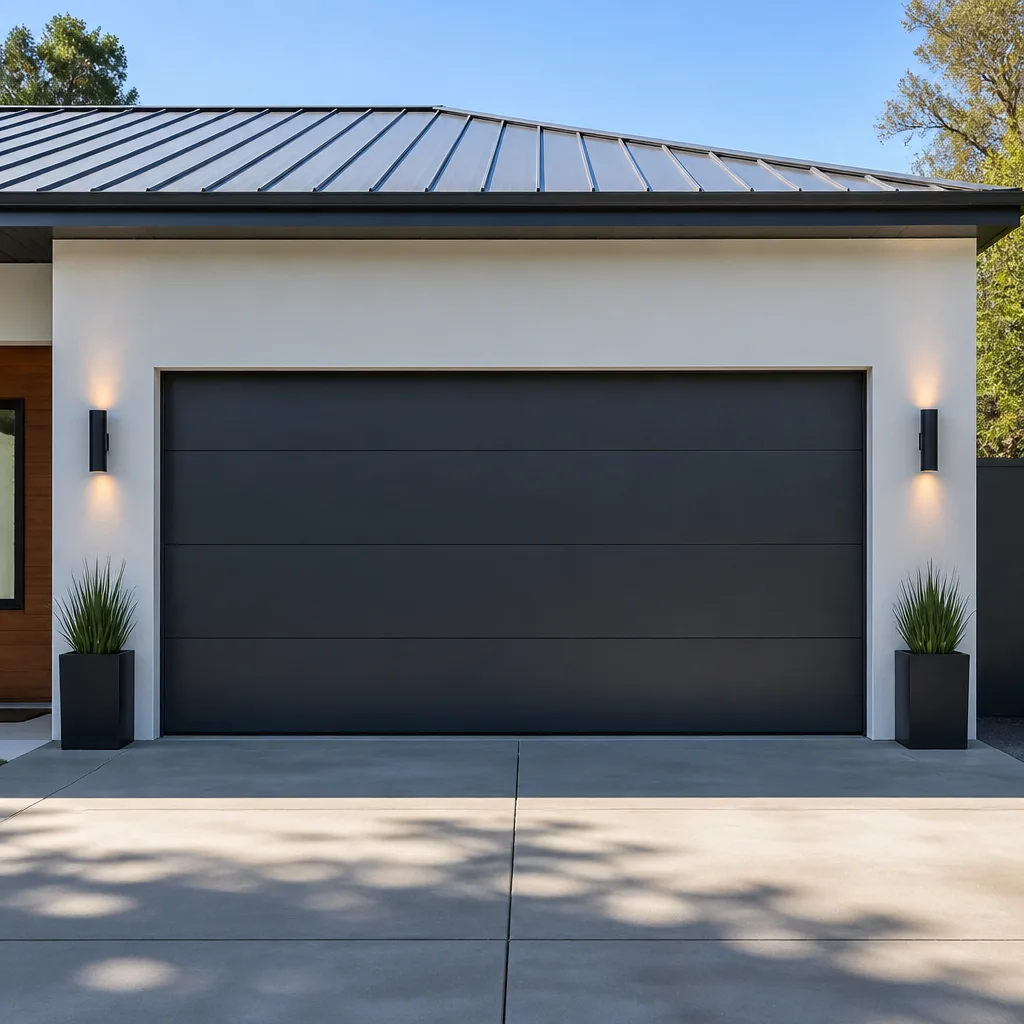 Modern flush
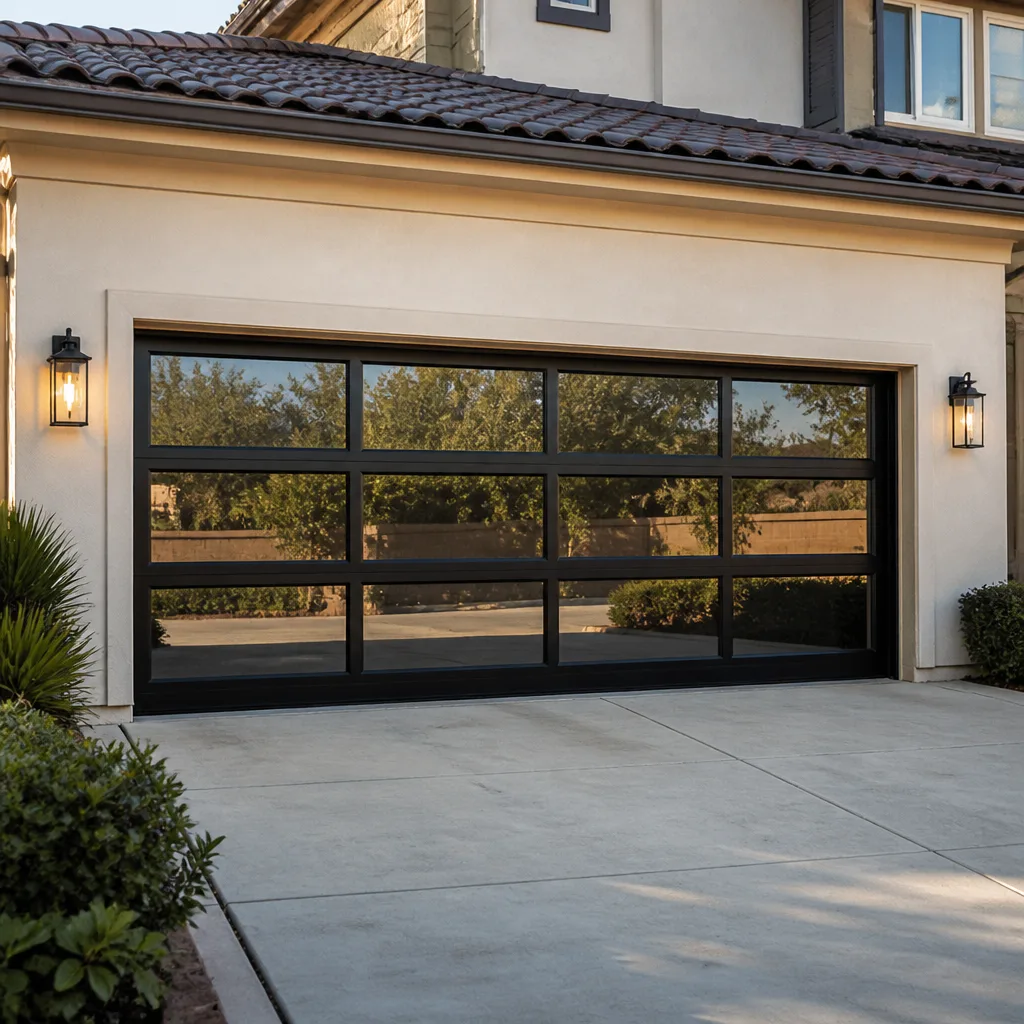 Full-view glass
 LiftMaster openers
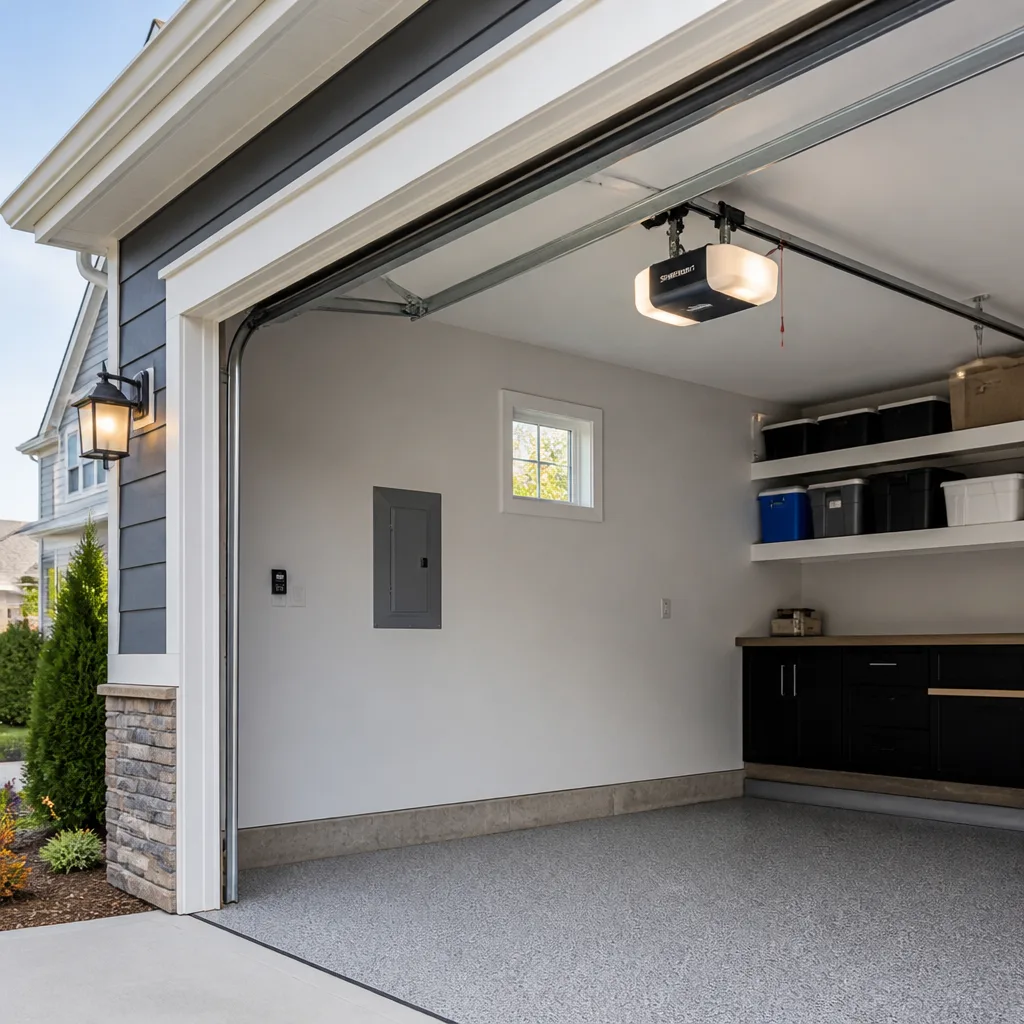 Chamberlain openers
Full 25-point door and opener safety check with every visit - springs, cables, rollers, tracks, and your LiftMaster or Chamberlain opener included
You get a price before we start. It does not change when the pro arrives.
Get your free estimateGarage Door Warning Signs: A North Ward Homeowner’s Reference Guide
Most garage doors don’t fail without warning. They tell you exactly which part is about to give out, usually weeks before it does, through sounds, movement patterns, and visual cues you can learn to read in a few minutes. The grinding noise your door makes on a cold North Ward morning is rarely the opener motor working too hard; more often it’s a worn roller dragging against the track, and letting it go long enough turns a simple roller swap into a track and roller job. In this guide, we’ll walk through what your door is trying to tell you, sorted by what you see, hear, and feel, and show you which warnings mean stop using the door immediately versus which ones give you a window to schedule service.
Quick Answer
Garage door warning signs fall into three groups: mechanical warning signs (uneven travel, jerky movement, resistance before the door closes) point to springs, cables, or rollers; audible warning signs (grinding, rattling, popping) usually trace to rollers, hinges, or track wear; and visual warning signs (spring coil gaps, rust streaking, slack or miswrapped cables) mean parts need replacement before they snap. A door that reverses before closing is far more often a spring or cable issue than an opener sensitivity setting, and if you see a gap in your torsion spring coil or a cable off the drum, stop using the door and call a professional.
Styles & brands we work with
- Raised-panel steel
- Carriage house
- Modern flush
- Full-view glass
- LiftMaster openers
- Chamberlain openers
Table of Contents
- What the Door’s Sounds Are Telling You
- Visual Cues That Mean Replacement Is Imminent
- How the Door Feels: Resistance, Drag, and Jerk
- A Slow Door vs. a Struggling Door
- Why Your Door Reverses Before Closing
- Warning Signs Specific to Torsion and Extension Springs
- When the Opener Is the Problem and When It Isn’t
- Stop Now vs. Schedule Soon: The 30-Day Window
What the Door’s Sounds Are Telling You
Sound is the earliest warning system a garage door has, and it’s specific. A door that’s working correctly produces a steady mechanical hum from the opener, a soft roll from the rollers in the track, and a settled thud when the door meets the floor. Anything outside that pattern is a clue, and in our experience working on North Ward homes, the sound often tells you the component before you ever see it.
Here’s how to read the most common sounds:
- Grinding on the way up or down: Worn or dry rollers sliding rather than rolling in the track. Left long enough, the roller eats into the track itself, and you move from a roller repair to a track and roller project.
- Rattling or clanking: Loose hinges, bracket bolts, or the door’s own panel fasteners working free. Often a tightening job, occasionally a sign of a hinge at end of life.
- Loud pop or bang from above: A torsion spring breaking. This is a single event, not a gradual one, and the door should not be used until a professional has assessed it.
- High-pitched squeal from the opener unit: A motor or gear drive issue inside the opener head. Brand matters here: a LiftMaster or Craftsman unit will often throw a specific behavior before failure, which is why diagnosing by brand logic saves guesswork.
- Scraping or metal-on-metal at the sides: A door slightly off track, or a bent track section. This one is worth a call quickly, since forcing the door along a bad track can bend the panel.
If a sound started in summer and it’s now December, the cold has made it worse; North Ward’s winter temperature swings work fasteners and stiffen lubricant, so the noise you tolerated in October is a bigger problem now. The right fix, not the easy upsell, starts with identifying which sound it is before anyone touches the door.
Visual Cues That Mean Replacement Is Imminent
Some of the most serious warnings are completely silent. They’re things you can see from inside the garage with a flashlight, and they tell you a part is close to failing even if the door is still moving smoothly. Two minutes of visual inspection once a month is the cheapest maintenance a homeowner can do.
Start with these checks:
- The torsion spring coil: Look along the spring above the door. A consistent, tight coil is correct. A visible gap between coils, a spring that looks stretched or sagging, or a spring that has separated entirely means replacement, not repair.
- Rust streaking on the spring or adjacent hardware: Streaks don’t always mean the spring is about to break, but they usually mean the spring’s life is shortening. Have it assessed.
- Cable drum wrap: At each end of the torsion bar there’s a drum with cable wound around it. The cable should be wound evenly and sit neatly in its groove. A cable that’s crossed, slack, or wound over itself is a safety issue and the door should stop being used.
- Track alignment: The track should be straight along its whole run. A bowed section, a kink at a joint, or a track pulled away from the wall bracket is a sign the door is being forced.
- Panel gaps or cracks: Hairline cracks near the hinges or along the panel edges weaken the door; on older doors, a cracked panel often means the door has absorbed more stress than it’s rated for.
- Hinge cracks at the bolts: Cracks radiating from hinge bolt holes mean the hinge is about to fail. Replace it soon or it takes a panel corner with it.
Springs are high-tension components, and we say that plainly. They’re not a DIY repair, and neither is a spring, cable, or drum that looks wrong. If any of the checks above show a spring gap or a cable problem, that’s the moment to stop and call a specialist rather than watching it for another week.
How the Door Feels: Resistance, Drag, and Jerk
Most homeowners never touch their door by hand, which is a shame, because the way a door feels when it’s balanced and disengaged from the opener tells you more about its health than anything else. A properly balanced door, when you disengage the opener (usually via the red manual release cord) and lift it by the handle, should rise with light, even effort, hold roughly where you let go, and come down under control.
What it should not do:
- Feel heavy when you lift it: The springs aren’t carrying their share of the door’s weight. This is a spring or balance issue, and if the spring is old, it’s often a sign it’s near end of life.
- Rise and then fall on its own: Springs are over-tensioned or mis-set. Relevant when someone has “adjusted” springs without the right tools.
- Drag or bind at a particular height: Usually a track, roller, or hinge issue at that section. The fact that it’s at a repeatable height is the clue.
- Come down too fast: The door is out of balance and could drop without warning. Stop using it and have it checked.
This test is safe as long as you do it with the opener disengaged and understand the door is heavy. What’s not safe is forcing a door that binds or feels wrong; a stuck door often turns a fixable roller issue into a bent panel or a snapped cable. In North Ward, single-car and double-car doors alike get harder to lift as the winter cold thickens lubricant in rollers and hinges, so a “heavy” feeling that appears with the first cold snap is a real signal rather than your imagination.
A Slow Door vs. a Struggling Door
These two look similar from a distance and they mean entirely different things. A slow door is often a door with nothing wrong: some openers are built with a slower drive by design, and as long as the speed is steady and the door travels smoothly, slow is fine. A struggling door is a door fighting a mechanical problem: it moves slower in one direction than the other, jerks or stalls mid-travel, or looks like it’s straining at a particular spot.
Here’s the practical way to tell them apart:
- Watch for speed changes within the same run. A steady door moves at a steady pace from floor to ceiling. A struggling door speeds up and slows down along the same trip.
- Listen to the opener motor. A slow door produces the same motor sound throughout; a struggling door makes the motor louder at the point where the door resists.
- Compare up and down. On a struggling door, one direction is typically harder than the other, which almost always points to spring balance or track drag.
- Disengage the opener and move the door by hand. If it’s heavy or binds, it’s the door, not the opener. If it moves easily by hand but the opener still struggles, the opener motor or drive is the issue.
- Check the opener unit’s own diagnostics. Modern openers from LiftMaster, Chamberlain, Genie, and Craftsman all report their own errors through a light code or beep pattern; if the opener shows a fault code, start there before blaming the door.
Distinguishing motor strain from door resistance is the whole game here, because it changes who needs to look at the door and what parts are involved. A generalist will often replace the opener when the door was the problem, and a big-box installer will often quote a new door when the springs were the cause. A specialist figures out which side of the disconnect the problem is on first.
Why Your Door Reverses Before Closing
A garage door that reverses before it reaches the floor is the warning sign most homeowners misdiagnose. The instinct is to fiddle with the opener’s down-force or sensitivity setting, and once in a while that’s the right answer. More often, in our experience, it isn’t. A door that closes two-thirds of the way, meets a bind it can’t overcome, and sells the opener a “resistance” signal will reverse even though the safety system is working exactly as designed. The door is telling you it can’t complete the travel, and the opener is obeying.
The usual causes, in rough order of likelihood:
- A spring no longer carrying its share of the door’s weight. The door feels heavy, the opener strains, the safety reverse trips. This is the most common cause behind an “unexplained” reverse.
- Track or roller binding at a specific point. If the door reverses near the same spot every time, this is the likely culprit.
- Obstruction or misaligned safety sensor. The photo-eye sensors at the bottom of the track should be aligned and clean. A sensor knocked out of line is the easy fix; make sure this isn’t it before assuming something worse.
- Actual opener force-setting drift. On a LiftMaster or Chamberlain unit, the travel limits or force setting may have drifted. This is the situation where “the opener sensitivity is wrong” is the real cause.
Before you change anything on the opener, disengage the door and move it by hand. If it feels heavy or binds, fix the door first. Reversing is the opener doing its job; the door is what needs attention.
Warning Signs Specific to Torsion and Extension Springs
Springs are where garage door failures get dangerous, and where the warning signs matter most. Both torsion springs (the coiled spring running above the door on a metal shaft) and extension springs (the long springs running above the horizontal tracks on each side) carry the door’s weight under significant tension. When one lets go, it isn’t a subtle event, and the goal of watching spring warning signs is to replace the spring before that happens.
Here’s what to watch for on each spring type:
- Torsion spring gap in the coil: A clear space where the coils should be tight. The spring has lost tension or has partially failed. Stop using the door.
- Torsion spring rust streaks: Rust running along the coil is a sign of corrosion eating into the spring’s cross section. Watch it, and have it assessed.
- Torsion spring broken coil visible: A visibly split coil means the spring is broken. Don’t use the door, and don’t try to move it manually with the opener still connected.
- A cable drum with uneven wrap: Cables must sit evenly in the drum grooves. Crossed or slack cable is a safety issue.
- Extension spring with visible gap or stretch: Extension springs that have visibly elongated or show separation in the coil are near the end of their working life.
- Extension spring without a safety cable: If your extension springs don’t have a safety cable running through the middle of each spring, that’s a safety retrofit worth discussing with a professional.
Spring replacement is done in matched pairs on torsion systems because both springs have lived the same life and one is likely close behind the other. One spring is priced one way; a matched pair is priced close to double. Our technicians have up to 13 years of experience with high-tension spring work, and this is a service we specialize in rather than treat as an occasional add-on. If you’re seeing spring warning signs in North Ward, book garage door repair before the door is used again.
When the Opener Is the Problem and When It Isn’t
Most homeowners blame the opener for everything, and the opener is genuinely at fault less often than people think. The rule of thumb: if the door moves smoothly by hand and the opener still misbehaves, the opener is the problem. If the door binds or feels heavy by hand, the door is the problem and the opener is a bystander.
Opener-specific warning signs to know:
- The door opens but won’t close, or closes but won’t open: Often a travel limit issue or a sensor problem, not a motor failure.
- The opener runs but the door doesn’t move: Usually a stripped gear, a broken drive belt or chain, or a disengaged manual release. On older Craftsman and Genie units, gear wear inside the head is a known pattern.
- Erratic operation or random stops: Sometimes a logic board problem, sometimes a power or remote issue. Brand-specific opener knowledge matters here, because a LiftMaster will show different failure patterns than a Genie.
- The wall control works but remotes don’t (or the reverse): Almost always a receiver, remote battery, or pairing issue rather than the opener itself.
- Grinding or harsh noise from the opener head: Drive gear or motor bearing wear. This one usually needs opener repair rather than a reset.
We work on opener electronics and drive systems across the major brands, including LiftMaster, Chamberlain, Genie, Craftsman, Raynor, Wayne Dalton, Clopay, and Amarr, which means diagnosing by brand-specific logic rather than trial and error. If the opener is the problem, garage door opener repair is where we’d start; if the door is the problem, the opener stays as it is.
Stop Now vs. Schedule Soon: The 30-Day Window
Not every warning sign is an emergency. Sorting signs into “stop now” and “schedule soon” helps you plan rather than panic, and it’s the difference between a repair booked on your schedule and an emergency call.
Stop using the door immediately if you notice:
- A visibly broken torsion spring, or a gap in the spring coil.
- A cable off the drum or crossed around the drum.
- The door hanging unevenly, one side lower than the other.
- The door coming down too fast or dropping under its own weight.
- Loud popping sounds from the spring area, followed by the door feeling unusually heavy.
- A door that has come off its track or looks cocked in the opening.
None of these are worth “seeing if it gets better.” Springs and cables under tension should not be used or manually forced; call a professional.
Schedule service within about 30 days if you notice:
- Grinding from the rollers but the door still travels smoothly.
- Rattling or clanking from hinges or brackets.
- Rust streaks on the springs, but the coil is still tight.
- An opener that occasionally stops or reverses but works reliably most days.
- A slow door that’s always been slow but is now louder than it used to be.
- Weatherstripping or a bottom seal that’s failing and letting cold or rain in.
That 30-day window is real, not a sales line. A worn roller that grinds quietly in December usually becomes a track problem by spring, and a spring showing rust streaks today rarely makes it past another full winter of North Ward cold. A diagnostic visit now, with the fix booked on your terms, is almost always the cheaper route.
Common Mistakes to Avoid
- Adjusting opener force settings to overcome a struggling door. Increasing the down-force to get a heavy door to close masks the real problem and lets the opener push a door that isn’t balanced, which can damage panels and cables.
- Assuming a reversing door means a bad opener. Nine times out of ten the reversing door is telling you about the door, not the opener. Diagnose by hand first.
- Replacing one torsion spring when both are the same age. The second spring is usually close behind the first. Replacing them as a pair costs close to double one spring, but it avoids a second visit and a second failure.
- Tightening springs or cables yourself. Springs are high-tension components. This is the one part of garage door work where a confident homeowner can get seriously hurt. Leave it to a professional.
- Ignoring a track kink because the door still works. A door forced along a bent track bends panels and pulls cables. Fix the track before it takes the door with it.
- Calling a generalist handyman for a spring or opener issue. Generalists often don’t diagnose by brand and don’t carry the spring sizes for a specific door. A brand-familiar specialist gets it right the first time.
- Putting off a new door when the old one is warning-sign after warning-sign. A door that needs spring replacement, panel repair, and hinge work in a single season is often better replaced, and a proper measure and written price will show you which route makes sense.
See the difference
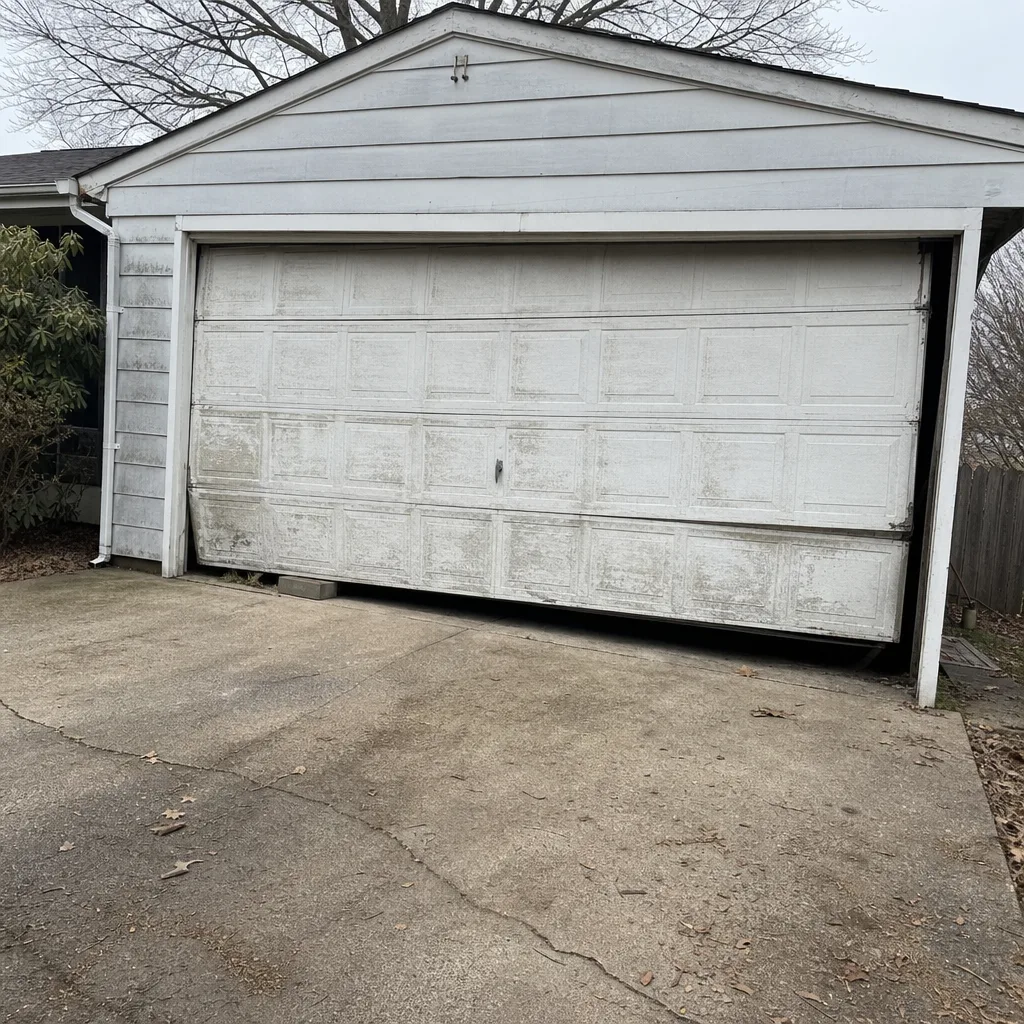 Before
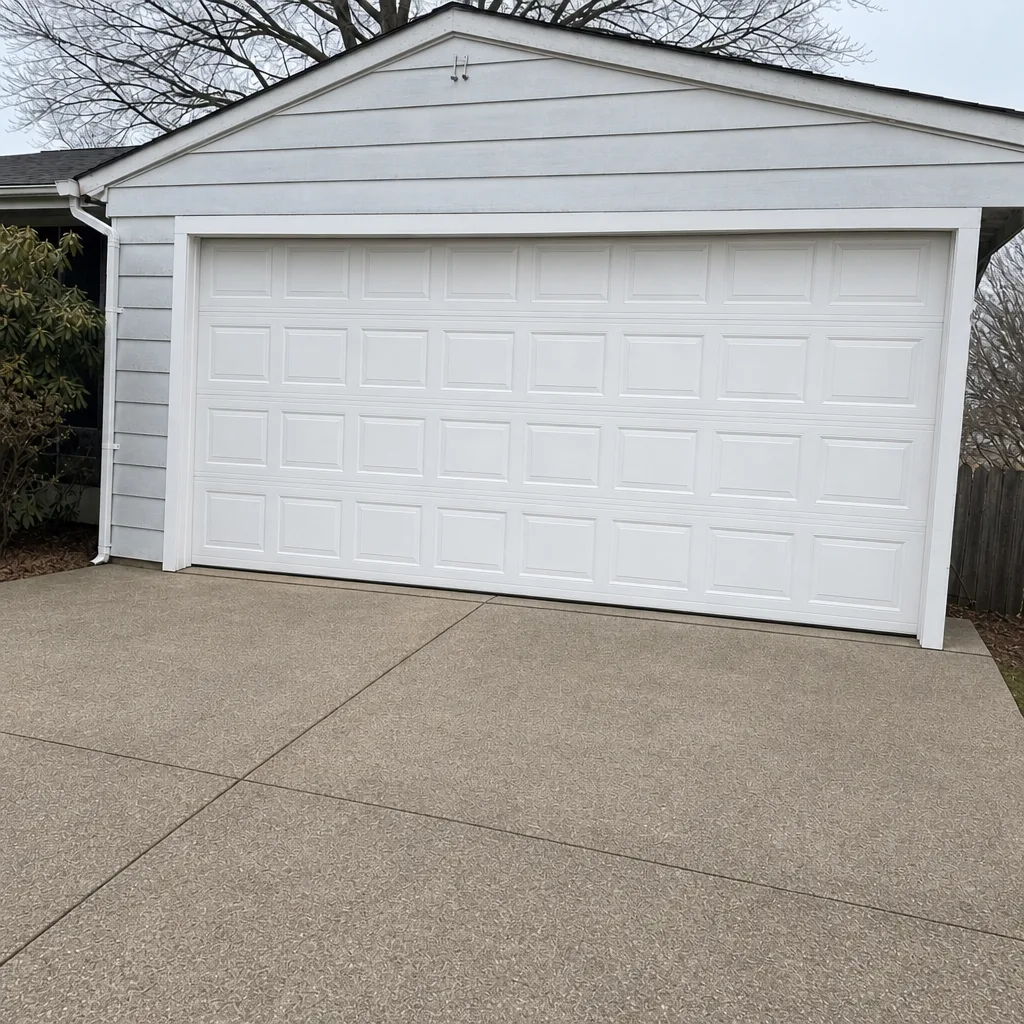 After
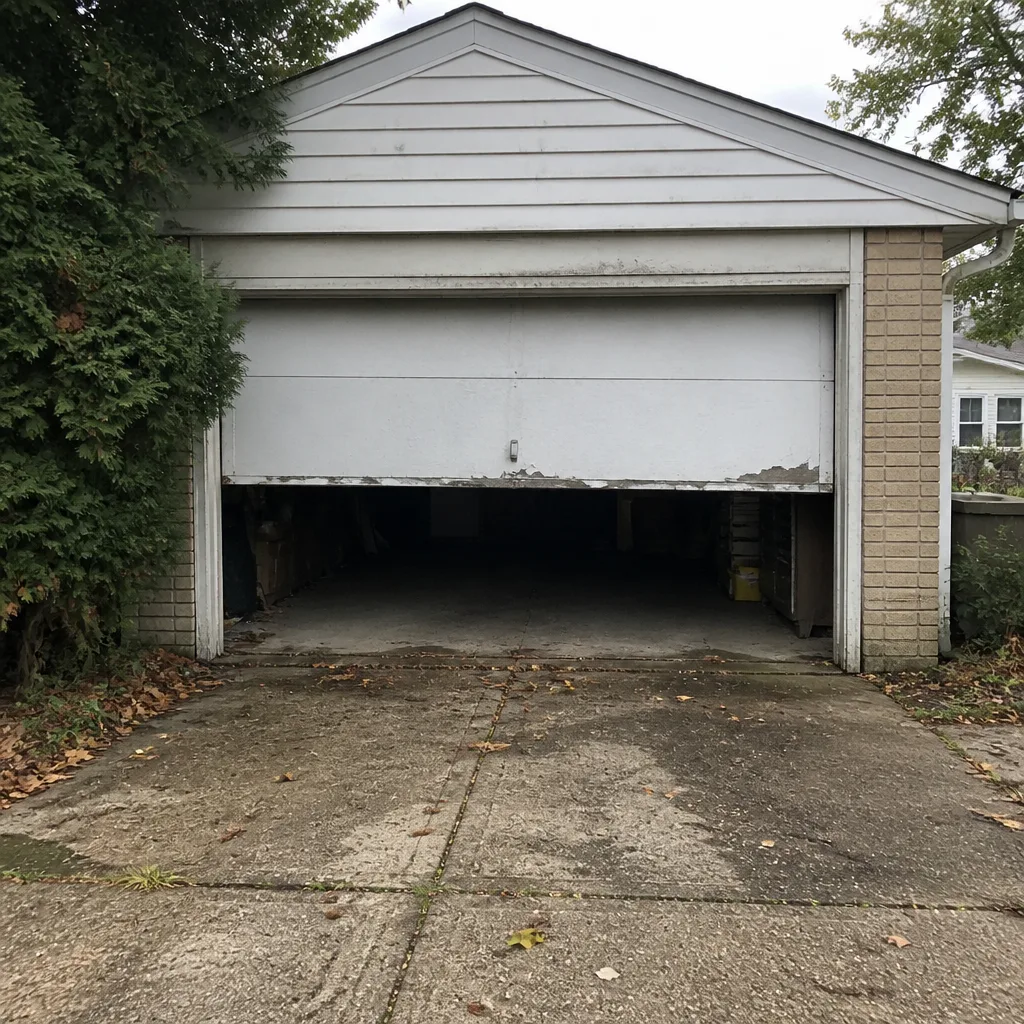 Before
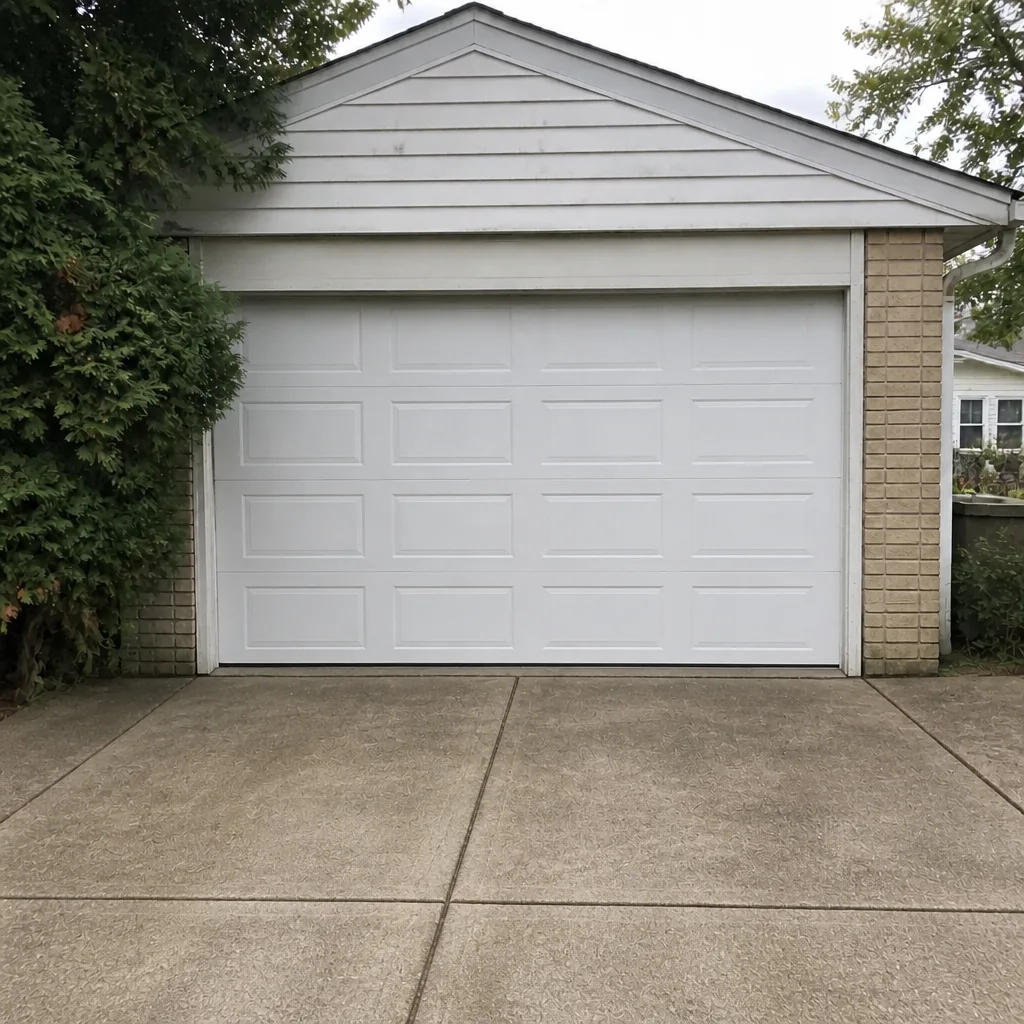 After
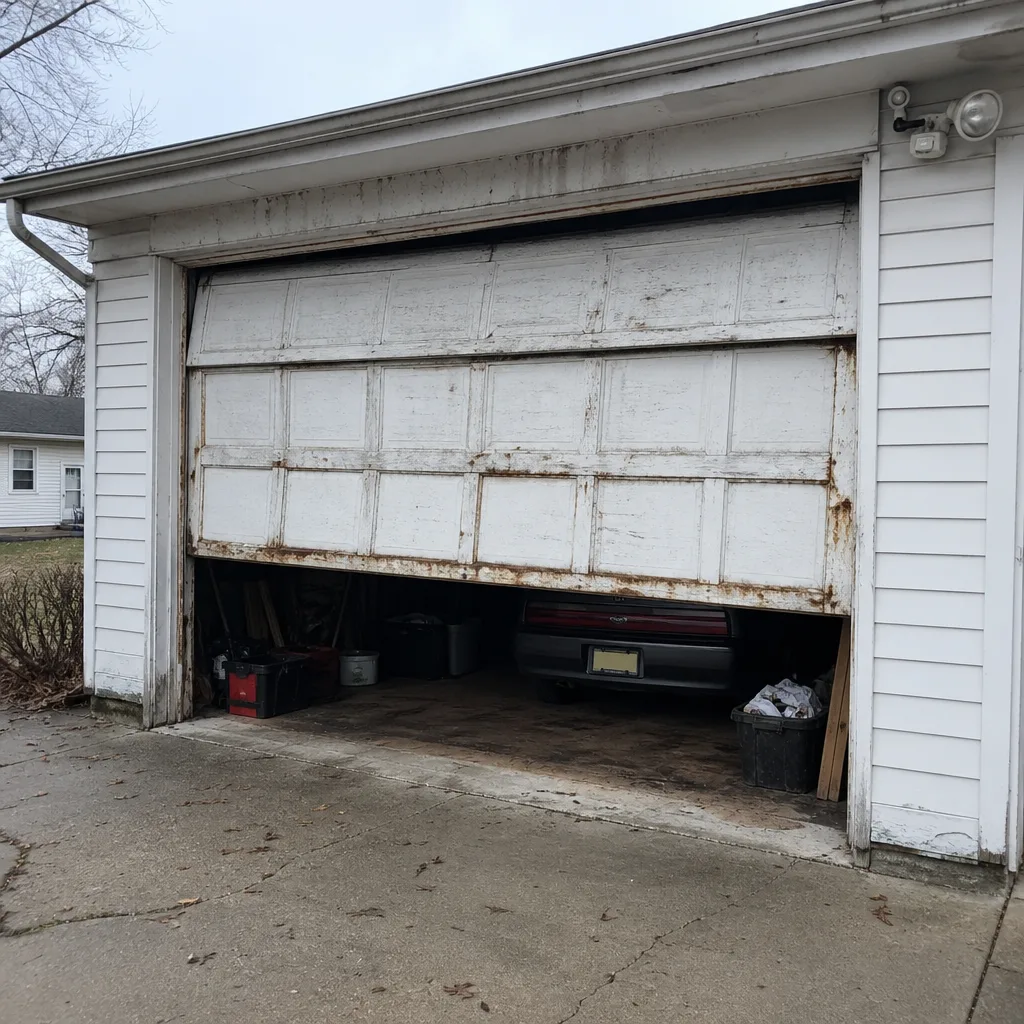 Before
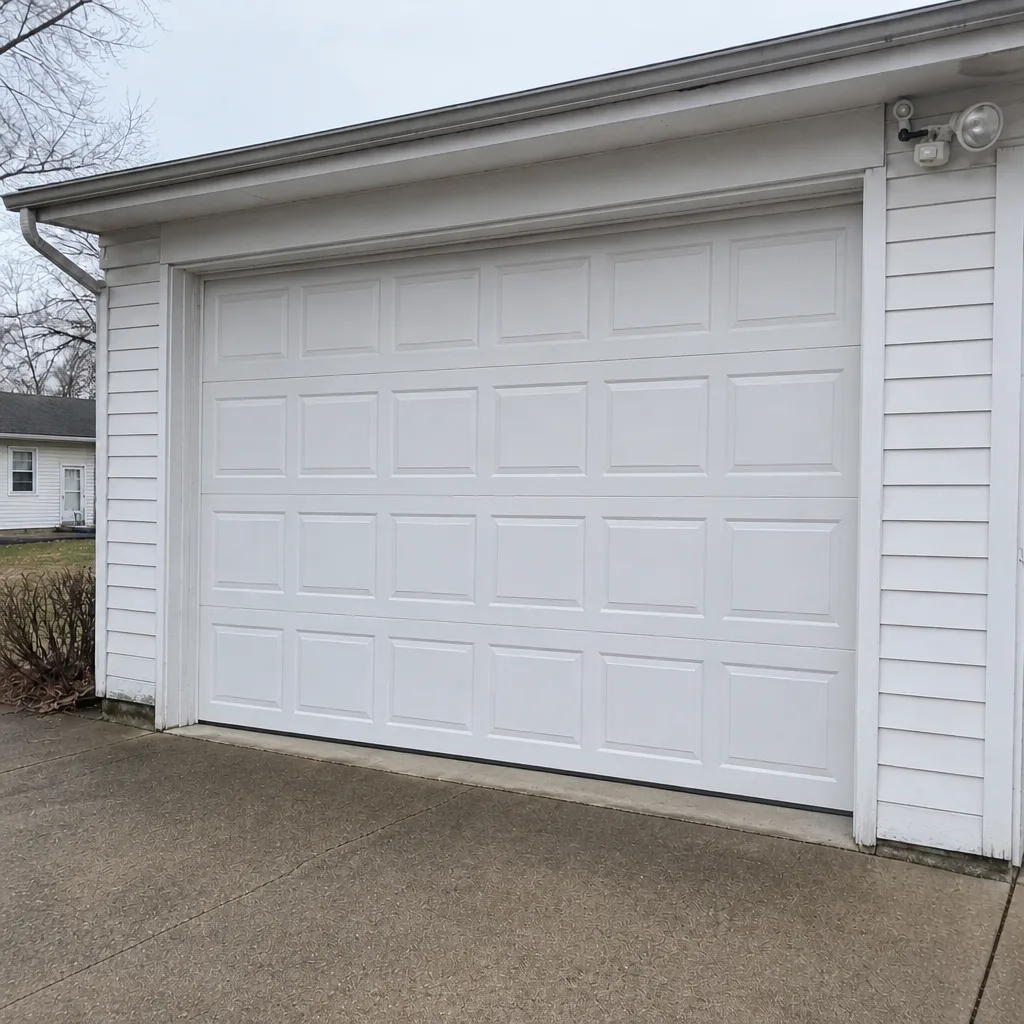 After
When to Call a Professional
Call a professional the moment you see any of the “stop now” signs above: a broken spring, a cable off the drum, a door off its track, or a door that drops under its own weight. Also call if your door reverses before closing and moves heavy by hand, if the opener runs without moving the door, or if a grinding noise has crossed from “occasional” to “every time.” Our technicians have up to 13 years of experience, and Garage Door Repair North Ward offers free estimates in North Ward; call (844) 905-3092 and we’ll book a diagnostic on your schedule, with the fix quoted and agreed before any work starts.
Frequently Asked Questions
An unusual noise, usually grinding or rattling, is the earliest sign most people catch. It’s usually rollers or hinges rather than the opener, and catching it early keeps the fix simple. If the noise has become constant, call (844) 905-3092 for a diagnostic; estimates are free.
Not usually dangerous in itself, but it’s a sign the door is struggling and should be checked. In our experience, a reversing door is more often a spring or track issue than an opener sensitivity problem, so have it looked at before a small fix becomes a large one. Call for an estimate if it’s happening regularly.
No. Torsion and extension springs are under high tension and can cause serious injury if handled without the right tools and training. This is the one garage door repair we’d strongly say is never a DIY job. Call a specialist for spring work in North Ward.
Pull the manual release and move the door by hand. If it’s heavy or binds, the door is the problem; if it moves easily and the opener still misbehaves, the opener is the problem. That one test saves an expensive guess. If you’re not sure, call for an estimate.
Worn rollers give you roughly a 30-day window before the grind turns into a track problem; a spring with rust streaks is harder to time and should be assessed sooner rather than later. Rust streaks aren’t a “wait and see” sign. Call to book a diagnostic.
Yes. We work on those brands specifically, along with Raynor, Wayne Dalton, Clopay, and Amarr, and diagnose by brand-specific patterns rather than trial and error. If your unit is throwing its own error code, that’s often the fastest route to the right fix. Call (844) 905-3092 for a free estimate.
The Bottom Line
Your garage door isn’t silent before it fails. It grinds, it rattles, it slows in one direction, it reverses, it shows a gap in the spring, it streaks with rust. Each of those signs points to a specific component, and the goal of reading them is to fix the small thing before it becomes the big thing. Stop the door for a broken spring, a cable off the drum, or a door hanging unevenly; book a visit within a month for worn rollers, loose hinges, and a rusty-but-intact spring. One specialist handles the whole door, from opener electronics to spring replacement to a full installation when that’s the right answer. If you’re in North Ward and unsure which category your warning sign is in, that’s a free estimate conversation rather than a guess; we’ll look at the door, tell you what’s actually wearing, and give you a written price for the fix before anything starts.
If a new door turns out to be the right answer rather than a repair, we handle garage door installation as well, measured and priced in writing before any work begins. You can also reach us through our Garage Door Repair North Ward page, or read more about how we approach garage door repair and garage door opener repair for a clearer picture of what a visit involves.
Contact
Call Garage Door Repair North Ward at (844) 905-3092 for a free estimate. We’ll assess the warning signs you’re seeing, tell you what’s actually failing, and quote a written price that we agree with you before any work starts.
Written by the team at Garage Door Repair North Ward.