Last updated November 23, 2026
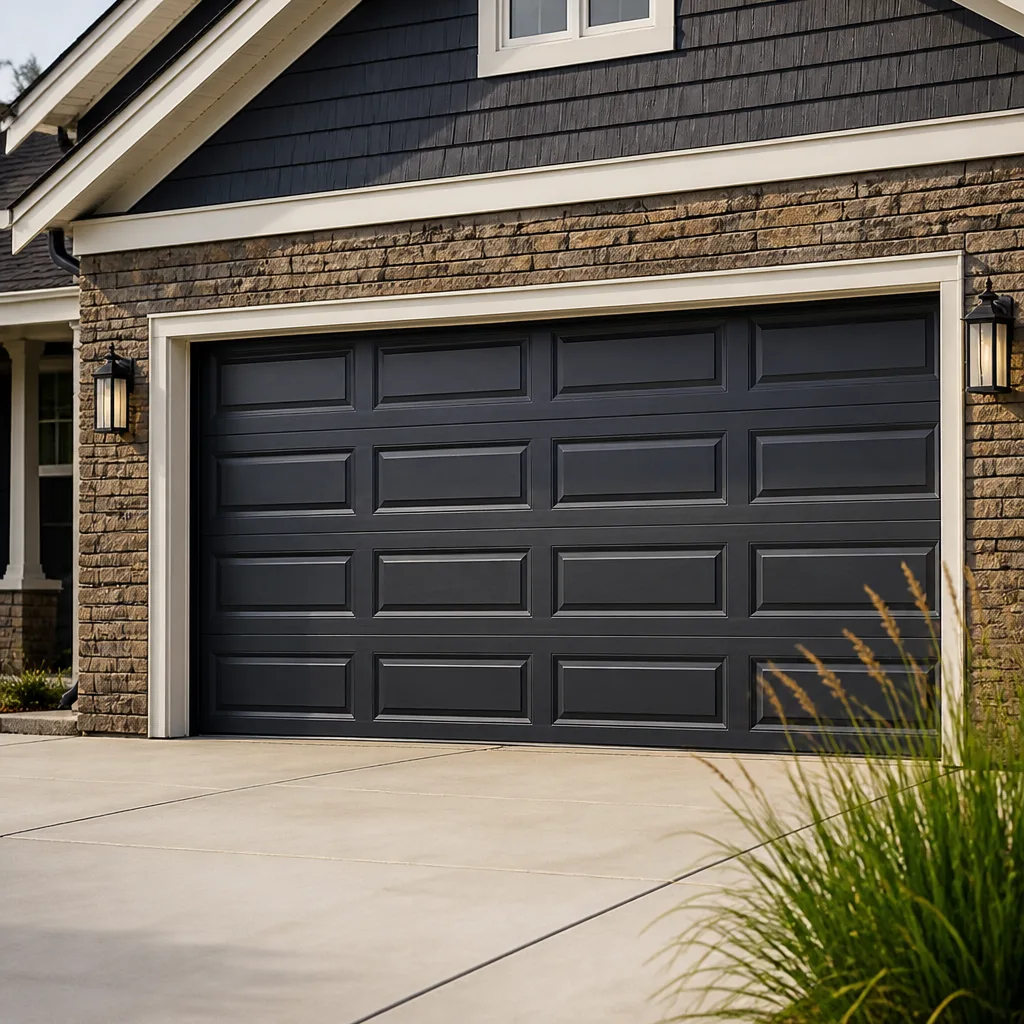 Raised-panel steel
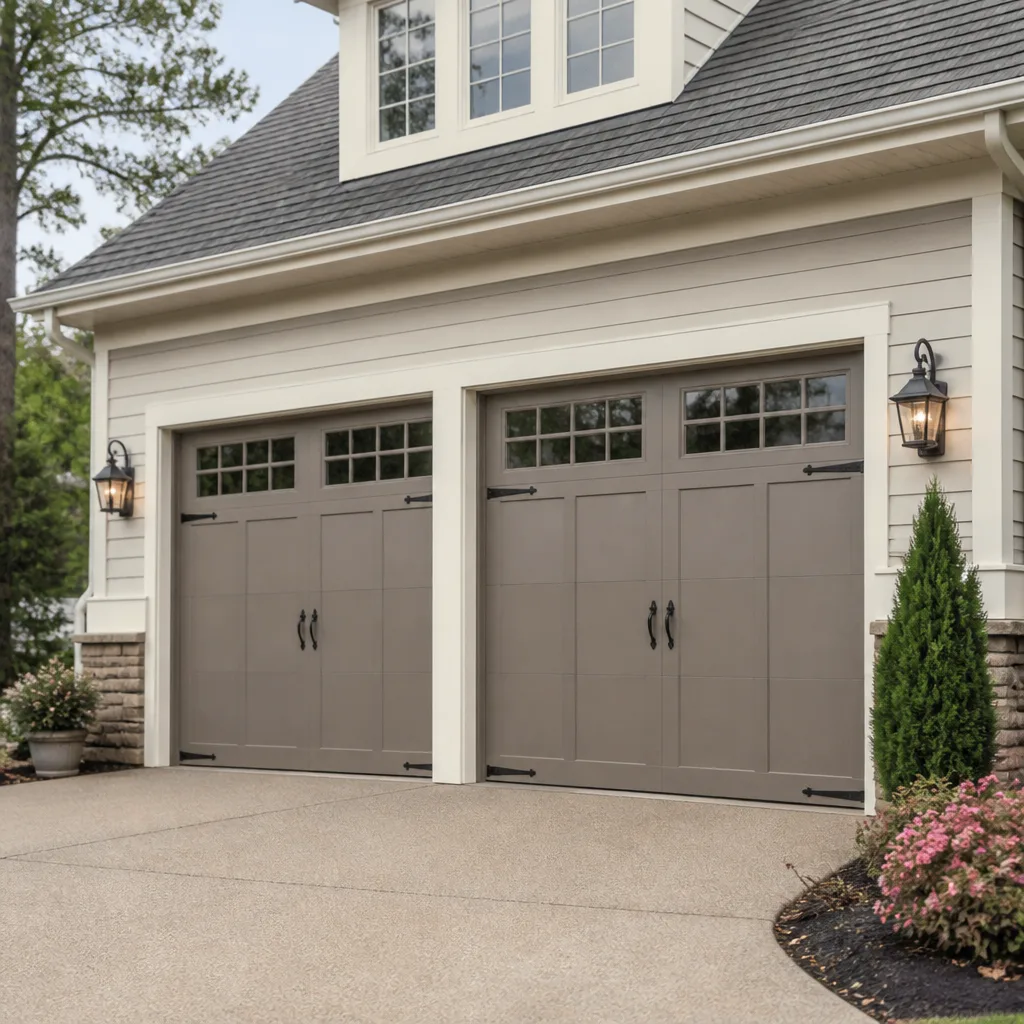
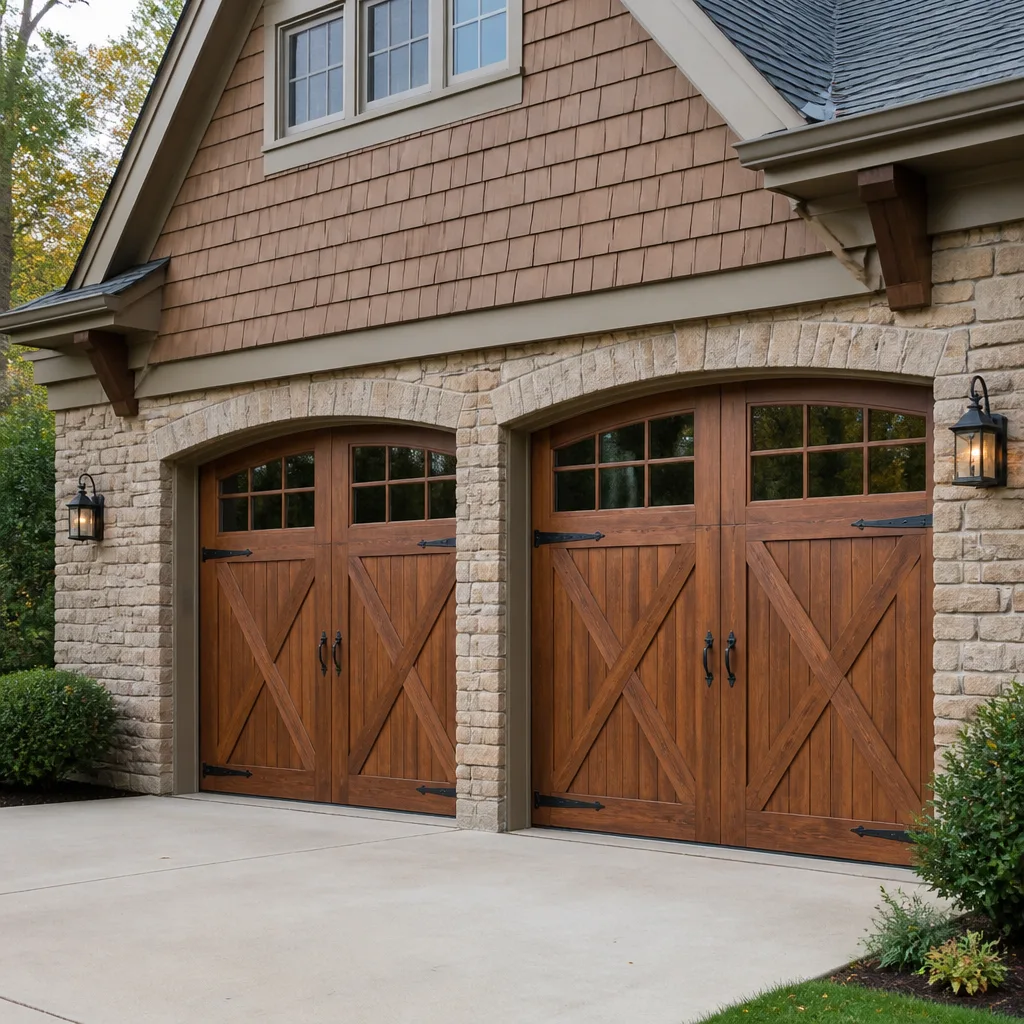 Carriage house
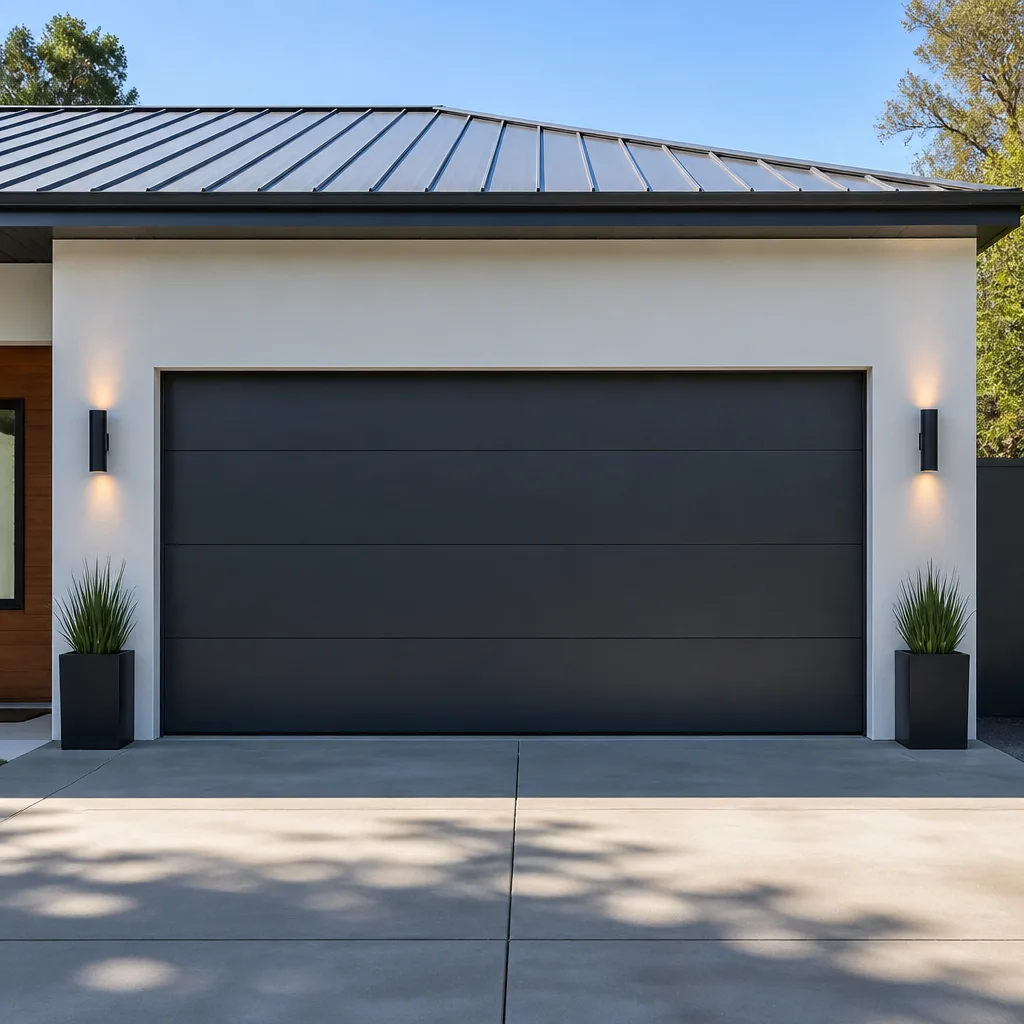 Modern flush
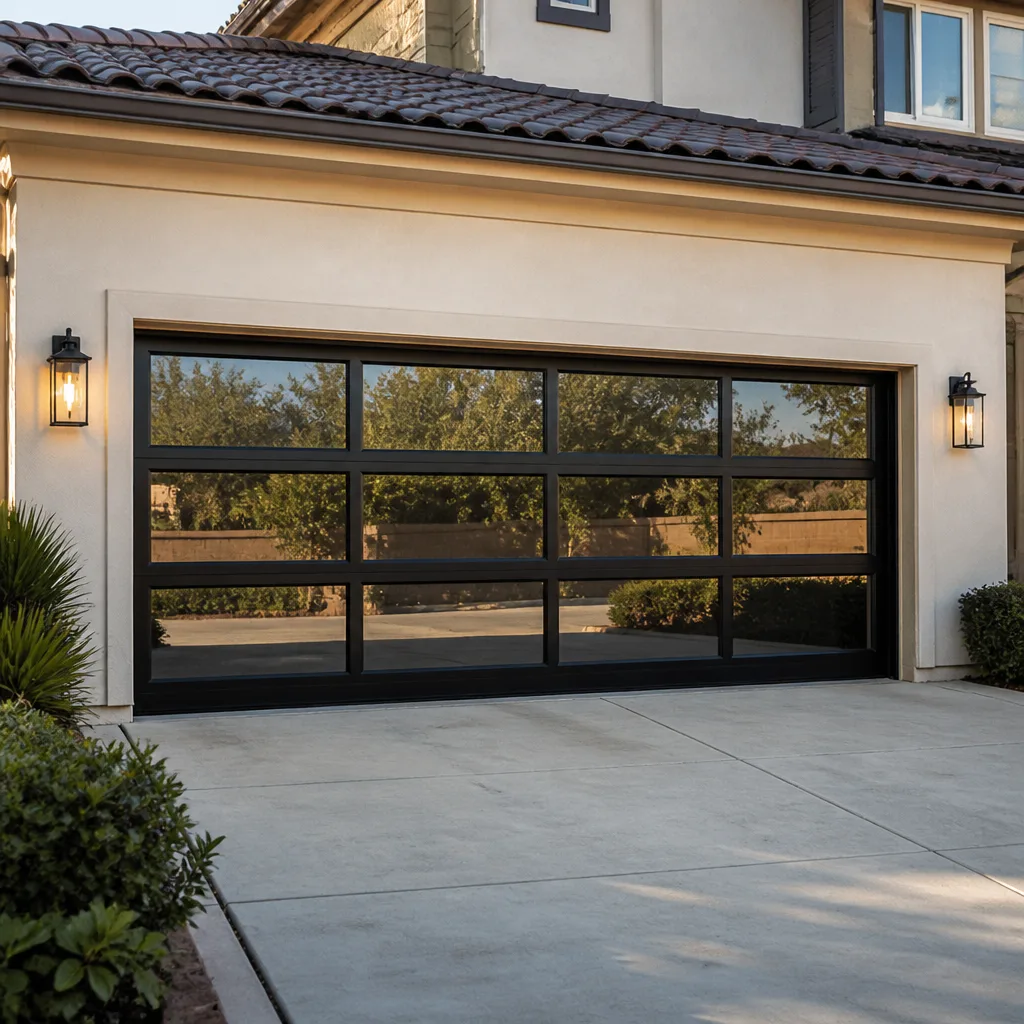 Full-view glass
 LiftMaster openers
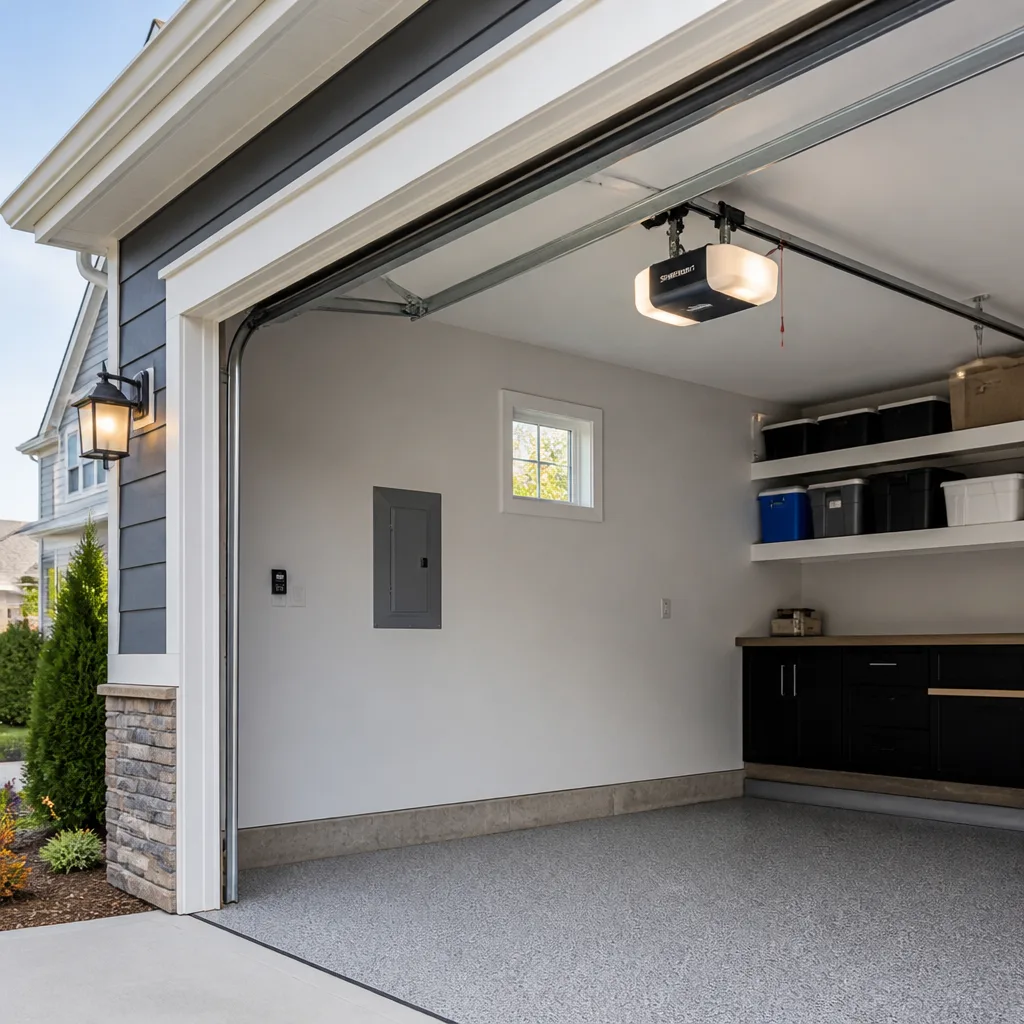 Chamberlain openers
Full 25-point door and opener safety check with every visit - springs, cables, rollers, tracks, and your LiftMaster or Chamberlain opener included
You get a price before we start. It does not change when the pro arrives.
Get your free estimateGarage Door Emergency Preparedness Guide for North Ward Homes
Most homeowners treat a garage door emergency as a surprise. In our experience, the surprise is rarely the door failing. It’s how unprepared the household is when it does. A door stuck in the open position overnight leaves a home exposed and unsecured, and the first 20 minutes of response shape whether you’re facing a straightforward service call or a much larger problem. North Ward homes run into this more than you’d think, between older doors that have never been serviced and openers pushed past their limits. This guide gives you a real plan: what to do in the first minutes, how to disengage your opener by hand, how to secure an opening safely, what to document before anything breaks, and what to tell a dispatcher so you get an accurate ETA. Read it once now, and you’ll handle the next failure calmly.
Quick Answer
A garage door emergency in North Ward is handled in this order: keep everyone clear of the door, disengage the opener by pulling the release cord only when the door is fully down, secure any open doorway with a temporary barricade, then call for a technician. Never force a door that’s off its tracks or touch a spring or cable under tension. The right sequence keeps your home secure, prevents injury, and usually keeps the issue a repair rather than a replacement.
Styles & brands we work with
- Raised-panel steel
- Carriage house
- Modern flush
- Full-view glass
- LiftMaster openers
- Chamberlain openers
Table of Contents
- The Three Most Common Garage Door Emergencies in North Ward
- Door Stuck Open: Securing Your Home Before You Call
- Door Stuck Closed: When Your Car Is Trapped
- Door Off-Track: Why You Stop and Call
- How to Disengage Your Opener Safely
- What to Tell an Emergency Dispatcher
- What to Document Before an Emergency Happens
- Securing a Detached Garage Opening in North Ward
- Common Mistakes to Avoid
- When to Call a Professional
- Frequently Asked Questions
- The Bottom Line
The Three Most Common Garage Door Emergencies in North Ward
Nearly every emergency call we handle falls into one of three categories, and each has a different correct response. Knowing which one you’re in is the first decision point.
- Door stuck open. The door won’t close, or it closes partway and reverses. Often an opener sensor, a snapped spring, or a door knocked off its track. Your priority is home security, not the door itself.
- Door stuck closed with a car trapped inside. The door won’t open, usually a broken spring, a dead opener motor, or a stripped drive gear. Your priority is getting your household moving again without damaging the door further.
- Door off-track. One or more rollers have left the track, and the door hangs at an angle. Your priority is stopping all operation immediately, because a door in this state can fall.
In North Ward, we see these play out differently by housing stock. Older single-car garages with wood doors are more likely to give you a spring failure or a track that’s pulled loose from aged framing. Newer homes with sectional steel doors, including Clopay and Amarr models, more often run into opener electronics and sensor problems than mechanical failures. Neither is harder to fix, but knowing which kind of failure you’re facing helps you describe it clearly and get the right technician on the first call.
The common thread across all three: the first thing you do should never be forcing the door. Every emergency here is either a mechanical problem you can’t safely muscle through or an electrical one that responds to proper diagnosis. Treat the first minutes as containment, not repair.
Door Stuck Open: Securing Your Home Before You Call
A garage door that won’t close leaves your home open to the street. Before any repair decision, your job is to close that gap, either by getting the door down manually or by restricting access. Here’s the sequence.
- Check the obvious first. If the opener runs but the door stops and reverses, look for anything in the path of the safety sensors near the floor, and check that both sensor lenses are aligned and clean. A misaligned sensor is one of the most common reasons a door refuses to close, and it’s not an emergency at all.
- Try the wall switch, not the remote. A dead remote battery can look like a door failure. If the wall switch closes the door, you have a remote or receiver issue, not a mechanical one.
- If the opener is dead or the door binds, disengage it and lower it by hand (see the manual release section below). Only do this if the door is fully in the down or fully open position and the springs are intact.
- If the door won’t come down at all, secure the opening. Park a vehicle close to the opening if you have one, and keep interior doors between the garage and the house locked.
- Call for service and describe what you see. Tell the dispatcher whether the opener runs, whether the door binds, and whether you can see a broken spring.
For North Ward homes with a detached garage, a door left open is a bigger exposure because the structure doesn’t share your home’s alarm or lighting. Lock the service door if there is one, and turn on any exterior lighting over the opening until the door is secured. If your situation can’t wait, our Garage Door Repair North Ward team offers emergency garage door service for exactly this scenario.
Door Stuck Closed: When Your Car Is Trapped
A door that won’t open with your car inside is a schedule emergency. The good news: the fix is usually a diagnosis issue, not a full replacement, and there’s a safe way to get the door up by hand.
- Listen to the opener. If you hear the motor running but the door doesn’t move, you likely have a stripped gear or a broken spring taking the load off the opener. If you hear nothing, check the breaker and the wall switch before assuming the motor is dead.
- Look at the springs. A torsion spring above the door is a coiled steel bar under extreme tension. If it’s visibly separated or hanging, stop. Do not attempt to lift the door. High-tension springs and cables are not a DIY repair, and a door with a failed spring can drop without warning.
- If the springs look intact and the opener is silent, disengage the opener and lift by hand. With the release cord pulled, a balanced door should lift with moderate effort. If it feels impossibly heavy, the spring has failed, and you should not force it.
- Once open, prop or secure the door. Never leave a manually opened door unpropped, and never walk under a door that’s held up only by the opener.
- Call a specialist. Describe whether the opener runs and whether a spring looks broken. That single detail tells a dispatcher whether you need spring work or garage door opener repair.
In our experience, homeowners stuck with a trapped car often get pushed toward a new door when a spring replacement or opener gear repair solves it. A failed spring on an otherwise sound door is a repair, not a replacement, and a brand-familiar technician will tell you so. For an urgent failure, call (844) 905-3092 and describe what you’re seeing; estimates are free and the price is agreed before any work begins.
Door Off-Track: Why You Stop and Call
An off-track door is the one emergency where doing less is the correct response. A door that has left its track is being held at a dangerous angle by springs and cables that are still under load. Every attempt to run the opener or force the door back into the track risks the whole panel coming down.
- Stop operating the door. Don’t press the opener, the remote, or the wall switch. Unplug the opener if it’s easy to reach.
- Keep people and vehicles clear. Don’t park under an off-track door, and keep children away from the area.
- Don’t try to lift, straighten, or push the door back onto the track. Rollers and hinges under load can fail suddenly.
- Don’t cut, loosen, or adjust any cable. Cables on a garage door carry the full spring tension.
- Call for emergency service. An off-track door needs a technician to safely bring the tension down and reset the door on its tracks.
Off-track doors happen in North Ward for reasons that vary by door type. A Wayne Dalton door with a roller that’s jumped the track after years of use is a straightforward reset. A door that’s come off because a hinge pulled out of rotted framing is a different job, and one that often reveals an underlying structural issue that a generalist won’t catch. Either way, the door has to come back to a safe state before anything else is discussed.
This is where brand familiarity helps. A technician who works on Wayne Dalton and Clopay doors regularly knows their hinge and roller points and can diagnose the cause instead of guessing. If you’re facing this now, our garage door repair team handles emergency calls and can walk you through securing the door before anyone arrives.
How to Disengage Your Opener Safely
Your opener’s emergency release cord lets you operate the door by hand. Used correctly, it’s the most useful tool you have in an emergency. Used at the wrong moment, it can let a door crash down.
The single most important rule: only pull the release cord when the door is fully closed (or fully open and resting on its own). Never pull it while the door is partway up. A door caught mid-travel can slam down when the opener releases it, and a door with a failed spring can do the same. If the door is partly open and won’t move, leave the release alone and call for help.
- Confirm the door is fully down. Look at the opening and confirm the door is at rest against the floor.
- Pull the release cord straight down. You’ll hear a click as the carriage disengages from the drive.
- Lift the door by hand from the bottom center. A properly balanced door should rise with steady, moderate effort. If it feels extremely heavy, the spring has failed; lower it and call a technician.
- Secure the door once it’s up. Prop it or hold it fully open before letting go. Never leave a disengaged door held only by the opener.
- Re-engage the opener only after service. When the technician has fixed the fault, they’ll reconnect the door to the carriage. Don’t force it back onto the carriage yourself.
Keep your door’s release cord within reach and check it now, while you’re thinking about it. On a door that hasn’t been serviced in years, a cord that’s caught on a rail or wrapped around a bracket is a second emergency waiting to happen.
What to Tell an Emergency Dispatcher
The quality of your call determines the accuracy of your ETA and the honesty of the estimate. A few specific details tell a dispatcher exactly what kind of job is coming.
- The state of the door. Fully open, fully closed, or partly open and stuck. This is the first thing they need.
- What the opener is doing. Running with no movement, silent, clicking, or tripping the breaker. Each points to a different fault.
- Whether you can see a broken spring or cable. A visibly separated spring tells them you need spring work, a separate service from opener electronics.
- Whether the door is off its track. This signals an emergency priority and tells them to bring the right equipment.
- Your door and opener brand and model. Clopay, Amarr, Wayne Dalton, Genie, and other major lines are each serviced differently. A technician who knows your brand diagnoses faster.
- Your location and access. Street address, whether the garage is attached or detached, and anything that slows down getting to the door.
When you describe the problem precisely, you avoid the biggest upsell trap in this trade: being talked into a full replacement because the caller couldn’t describe a repairable fault. A door off-track is usually a track and roller job. A door that won’t close because of misaligned sensors is a sensor adjustment. Neither needs a new door. In North Ward, where many homes have solid older doors worth keeping, that distinction matters. When you call us, expect a technician who’ll tell you what the door actually needs and quote it before any work starts.
What to Document Before an Emergency Happens
The single best preparation you can do takes about ten minutes and makes every future service call faster and cheaper. Write it down now, keep it in the garage, and photograph it on your phone.
- Opener make and model. The label is usually on the back or underside of the motor unit. This tells a technician whether you’re working with a LiftMaster, Chamberlain, Genie, or Craftsman unit and which parts apply.
- Door brand. Look for a label on the inside of a panel. Knowing you have a Clopay or Amarr door saves time when matching panels or hinges.
- Spring type. Torsion springs run horizontally above the door; extension springs run along the sides. Note which you have without touching them.
- Door dimensions. Width and height of the opening, measured inside the frame. Standard single doors and double doors are different jobs.
- Door material and condition. Steel, wood, or aluminum; note rust, dents, and any panel separation.
- Photos of the whole door and the opener unit. A photo of the spring setup and the opener label lets a dispatcher identify the job before anyone arrives.
Keep this information where you can find it in the dark. When the door fails at the worst time, you won’t want to be crouching with a flashlight reading labels. North Ward homes with detached garages should keep a copy inside the house too, in case the garage itself is the problem.
Securing a Detached Garage Opening in North Ward
If a panel fails and your garage opening is exposed, you need a temporary barrier that holds until a technician arrives. A detached garage is exactly the structure most likely to be left vulnerable, and it’s where a temporary fix is worth having a plan for.
- Clear the opening. Move anything valuable or easy to carry out of view, and lock the service door.
- Barricade across the opening. A couple of screws through a piece of plywood or a heavy board across the opening, set just inside the frame, blocks access. Use what you have and don’t block the door’s own travel path if it might need to open.
- Add visible deterrent. Motion-activated lighting aimed at the opening discourages anyone testing the gap overnight. A simple light that comes on when someone approaches is enough.
- Don’t screw into the door panels themselves. You can damage a panel or hinge and turn a repair into a replacement.
- Call for service. A failed panel or a door that won’t secure needs a proper fix, not a permanent barricade.
For North Ward households with a detached garage, this is where a door’s brand matters less than its condition. An older sectional door with a rusted panel is more likely to fail at the bottom, while a steel Clopay or Amarr door tends to fail at hinges and rollers. Either way, the barricade buys you time, not a fix. If a panel has failed and you need a proper repair or a replacement, our garage door installation team can give you a written estimate for both options before you decide.
Common Mistakes to Avoid
- Forcing an off-track door back into its track. The springs and cables are still under load, and forcing it risks the door falling. Stop all operation and call a technician.
- Pulling the release cord while the door is partway open. This lets the door drop under its own weight. Only disengage the opener when the door is fully closed.
- Touching the springs or cables. Torsion and extension springs are high-tension components, and a failed one can release dangerous force in an instant. Springs are not a DIY repair.
- Accepting a full-replacement quote for a repairable fault. A door that won’t close because of misaligned sensors, or an opener that runs without moving the door, is usually a repair. Ask what’s actually broken before agreeing to a new door.
- Leaving a stuck-open door unsecured overnight. In North Ward, a detached garage left open is an easy target. Barricade or lock it before you go to bed.
- Skipping the brand and model details on the service call. A technician who knows your door is a Genie or Wayne Dalton setup diagnoses faster, and a well-briefed dispatcher gives a more accurate ETA.
- Ignoring small symptoms until they become emergencies. A door that’s getting noisy, heavy, or slow is telling you something. A quick inspection now prevents a late-night failure.
See the difference
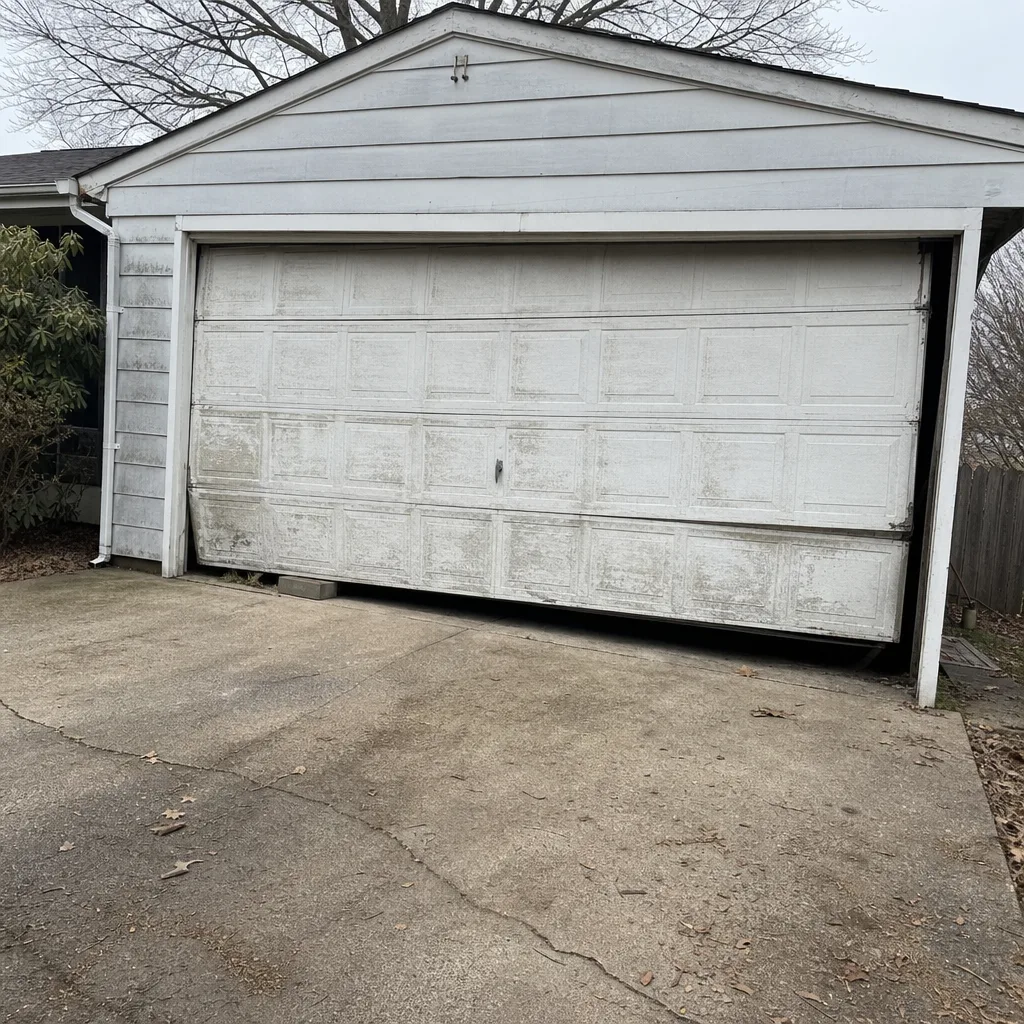 Before
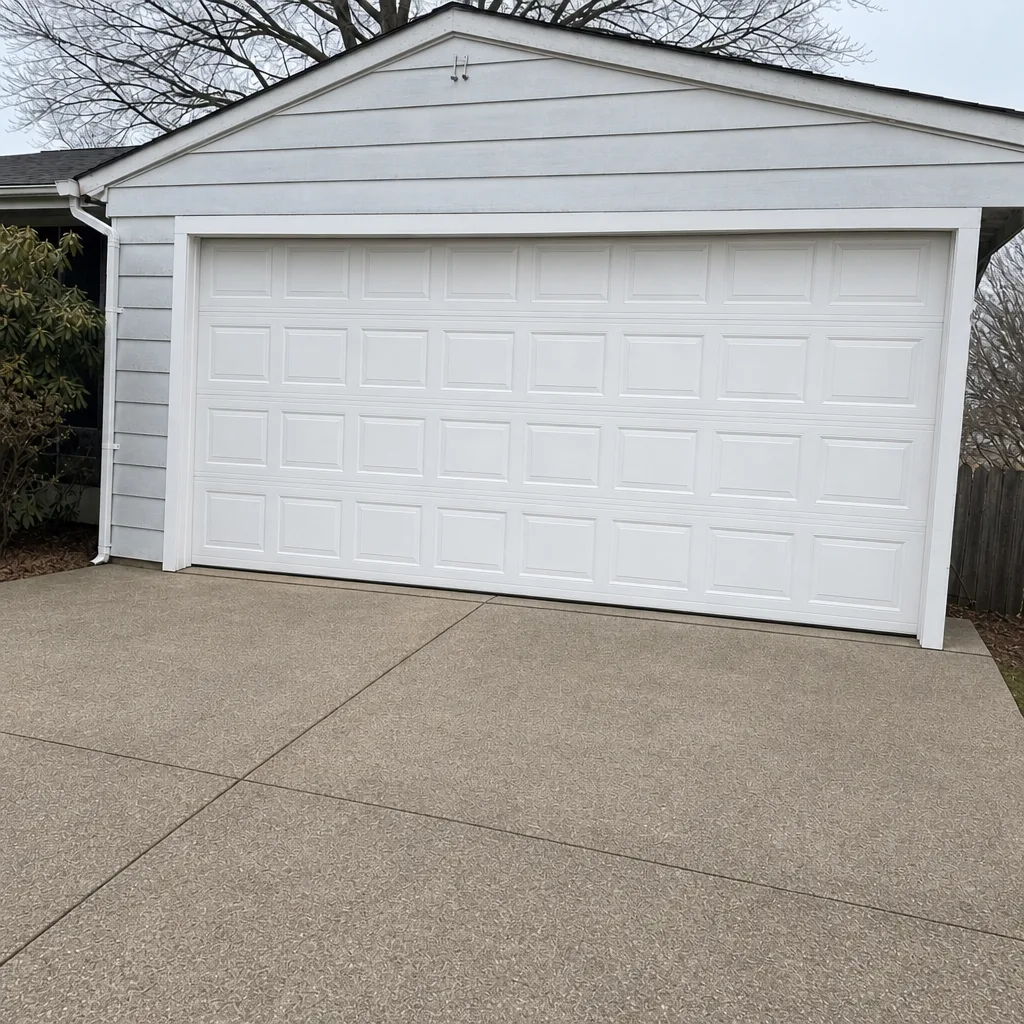 After
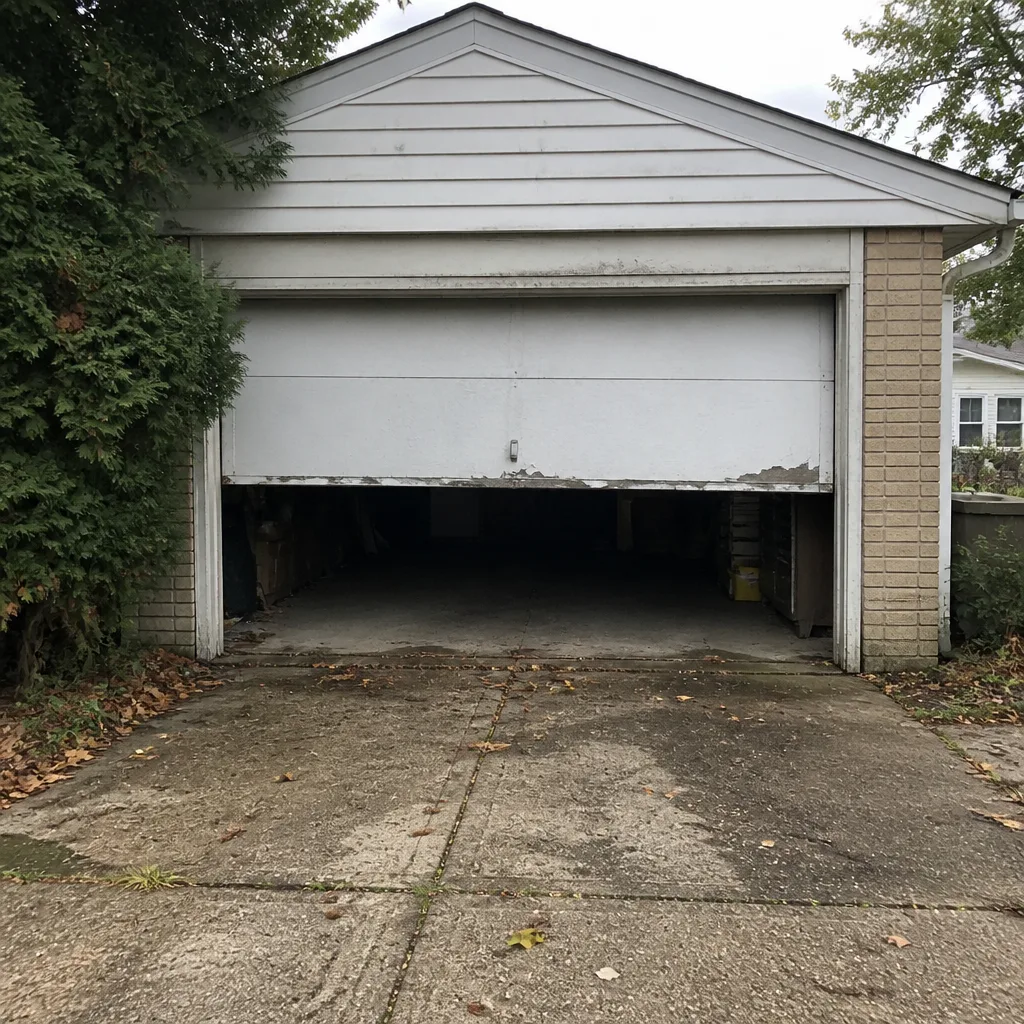 Before
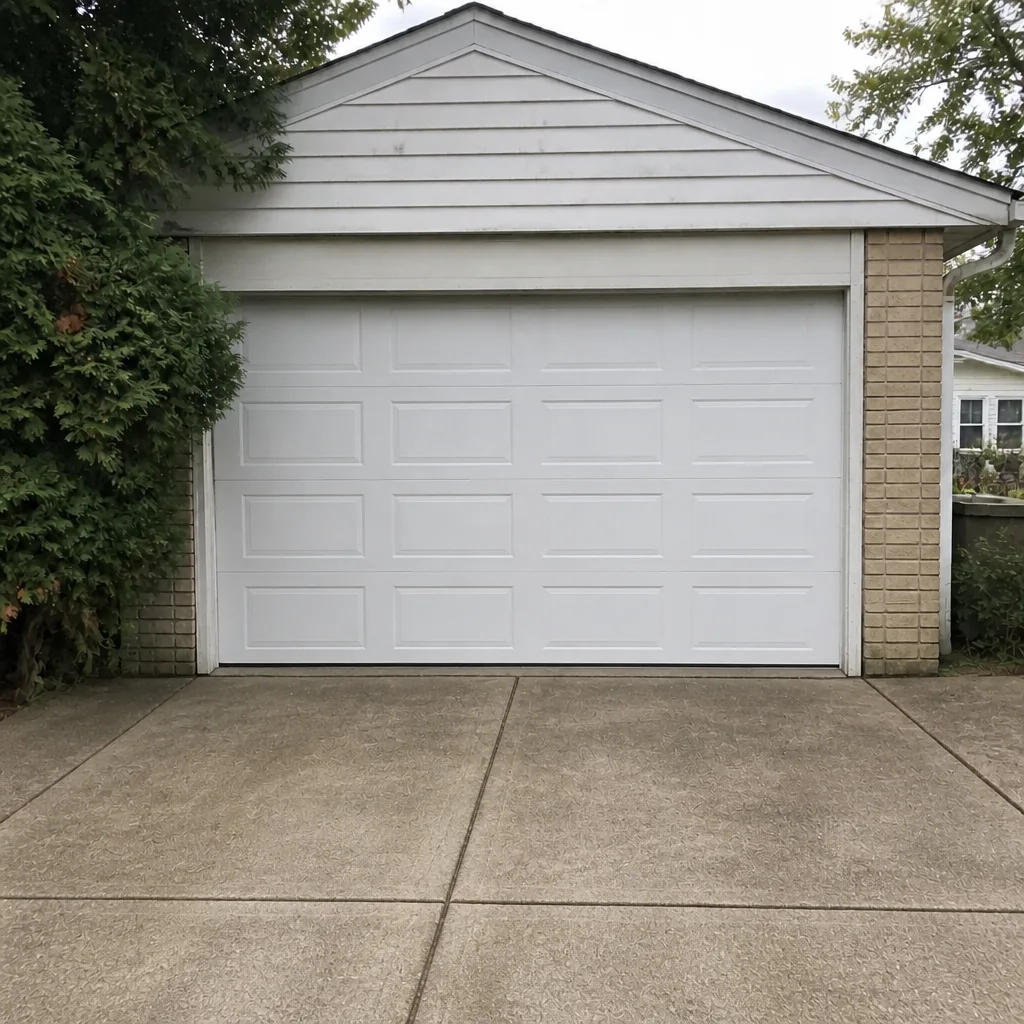 After
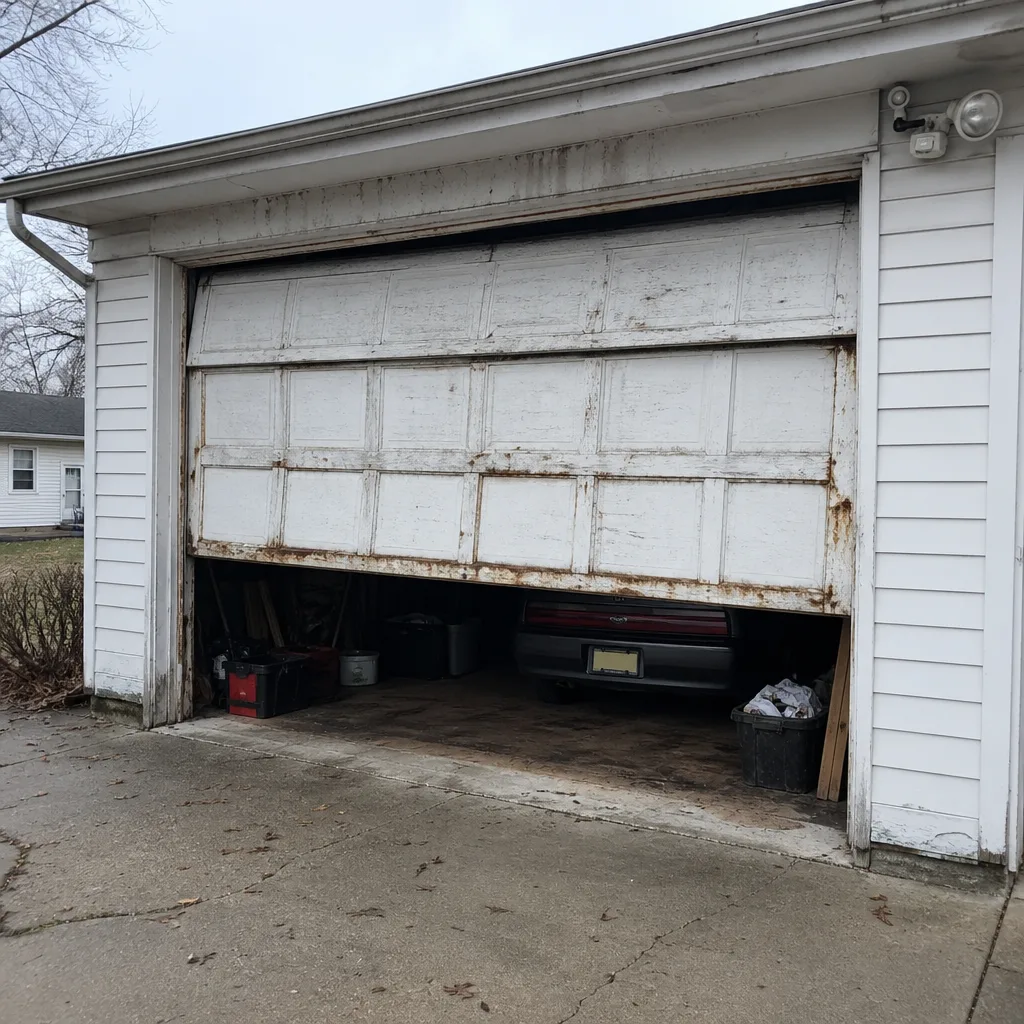 Before
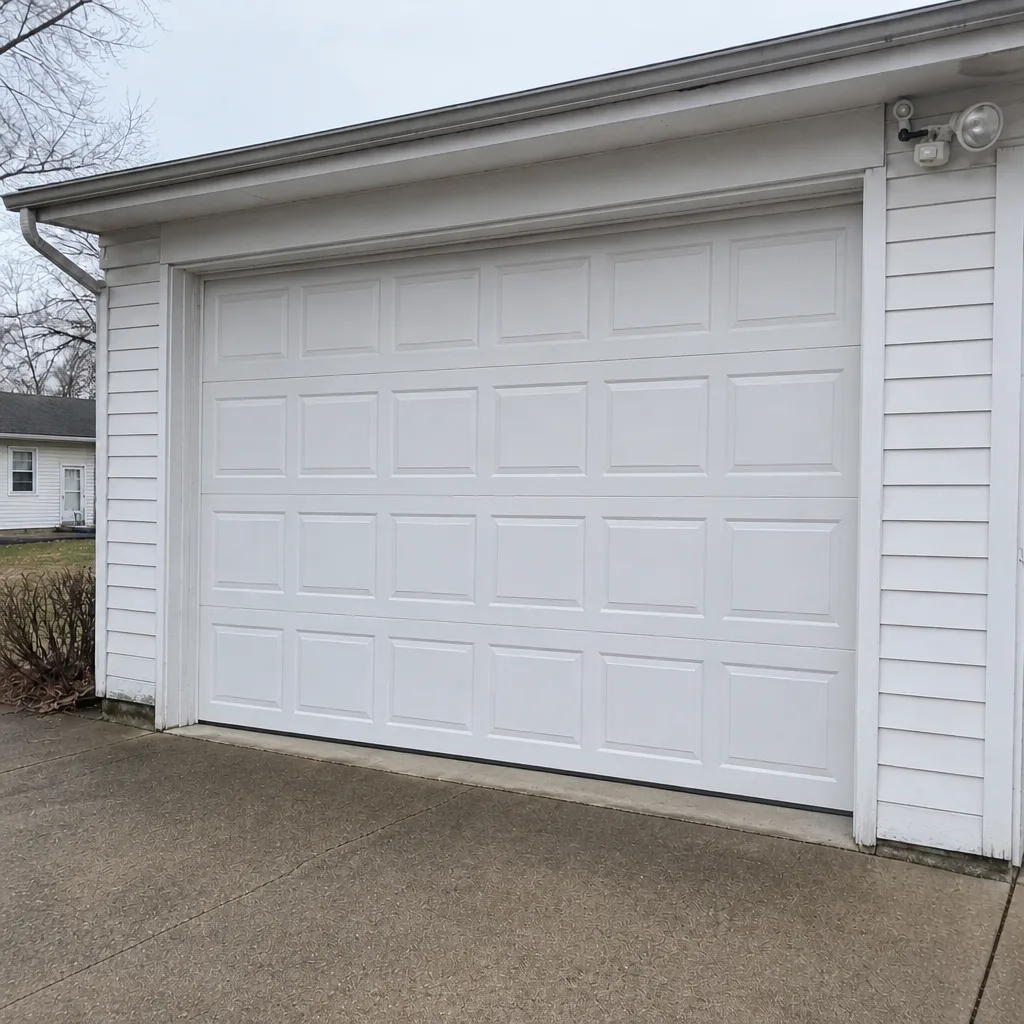 After
When to Call a Professional
Call a professional for any spring or cable problem, any door off its track, and any opener fault you can’t trace to a battery, a breaker, or misaligned sensors. Those four categories are where forcing the issue turns a repair into a replacement, or worse, into an injury. A door that’s visibly sagging, a hinge that’s torn loose from aged framing, and a door that reverses without an obvious obstruction are all worth a professional look before they fail completely. We connect North Ward homeowners with vetted local technicians who are licensed and insured as the state requires, and we handle spring work, opener repair, and full installations from the same specialist. Garage Door Repair North Ward offers free estimates in North Ward. Call (844) 905-3092 and describe what your door is doing; you’ll get an honest diagnosis, a written price, and the repair agreed before any work starts.
Frequently Asked Questions
Secure the opening first, then call for service. Lock any interior doors between the garage and your home, turn on lighting over the opening, and barricade or park a vehicle in front of a detached garage if you can. Don’t force the door, and don’t pull the release cord unless the door is fully down. Call (844) 905-3092 for an exact quote; estimates are free.
Most repair calls fall in a modest range that depends on what failed, with spring work and opener repairs being the two most common jobs. A single spring replacement is quoted separately from a matched pair, which costs roughly twice a single spring. The written estimate sets the final price. Call (844) 905-3092 for an exact quote; estimates are free.
Emergency garage door service is a real offering, not a slogan, and a trapped car is exactly the kind of call it’s for. Describe whether the opener is running and whether a spring looks broken, and we can give you a realistic ETA. Call (844) 905-3092 for an exact quote; estimates are free.
The price is the written quote you agree to before any work starts. If a technician finds something the phone description didn’t reveal, they explain it and quote the corrected job before touching the door. You’re never surprised by an invoice above the quote. Call (844) 905-3092 for an exact quote; estimates are free.
The local professionals we connect you with are licensed and insured as their state requires, and they work on the major garage door and opener brands. Our technicians have up to 13 years of experience with spring work, opener repair, and installations. Call (844) 905-3092 for an exact quote; estimates are free.
No. Torsion and extension springs are high-tension components, and a release can cause serious injury. Springs are not a DIY repair. Leave the door in a safe position and let a trained technician handle the replacement. Call (844) 905-3092 for an exact quote; estimates are free.
The Bottom Line
A garage door emergency in North Ward has a right sequence, and most of the cost and risk comes from skipping it. Contain the problem before you try to fix it. Only disengage the opener when the door is fully down. Never force an off-track door or touch a spring. Know your opener model, door brand, spring type, and dimensions before anything fails, so a dispatcher can route the right technician and quote honestly. A calm, informed call gets you an accurate ETA, a repair instead of an upsell, and a price agreed before work begins. Keep this guide, keep the number, and the next failure stays manageable.
Written by the team at Garage Door Repair North Ward.